What Finger-Joint Alder Means for Your Production
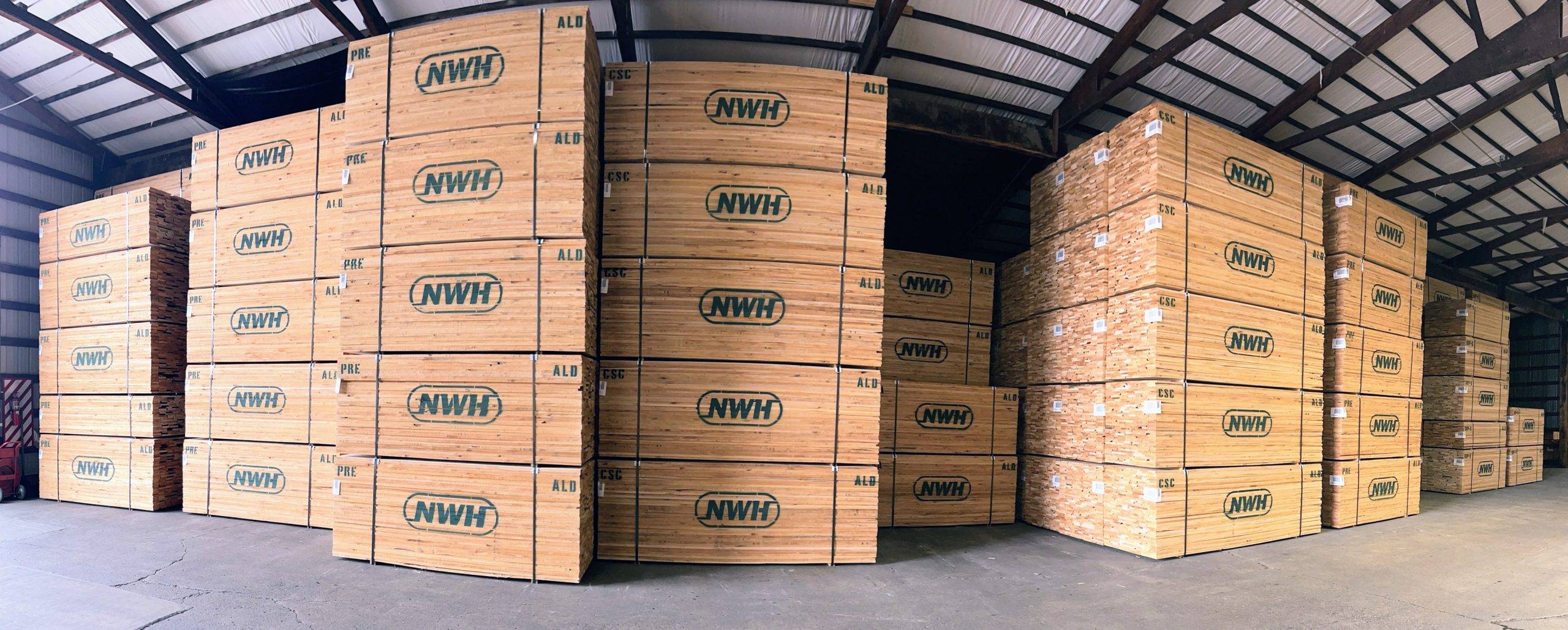
Alder finger-joint blanks are designed with manufacturing in mind. The result is an engineered, predictable material that helps shops move faster with fewer disruptions.
| Attribute | Finger-Joint Alder | Solid Wood |
|---|---|---|
|
Length Consistency |
4 |
2.5 |
|
Straightness |
4 |
2.5 |
|
Dimensional Stability |
4 |
3 |
|
Yield / Waste |
4 |
2 |
|
Availability (long lengths) |
4 |
2 |
|
Paint-Grade Performance |
4 |
4 |
Why Shops Are Moving Away from Solid for Paint-Grade Work
For paint-grade mouldings and blanks, the goal is to produce a clean, uniform finished product as efficiently as possible.
That’s where finger-joint Alder stands apart.
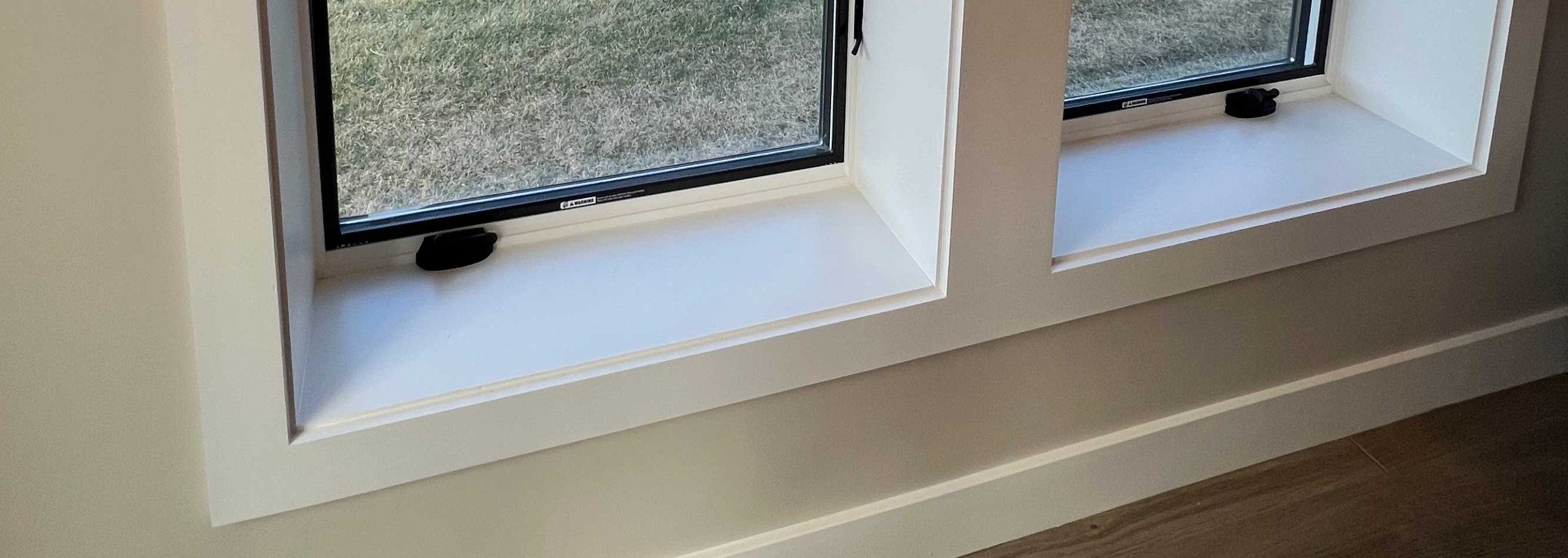
It delivers the same finished appearance under paint as solid wood, but with fewer downstream issues and far more consistency from run to run.
- Improved stability compared to solid stock
- Constant supply of long, straight blanks
- Consistent performance across production runs
- Uniform appearance once painted
- Greater density than softwoods and poplar
- Less damage in transit and installation

Natural vs. Engineered Performance
The difference between solid and finger-joint construction comes down to control.
STABILITY
All solid lumber contains natural stresses that can lead to twisting, bowing, or cupping. Finger-joint construction redistributes those stresses, resulting in straighter blanks and tighter tolerances.
What it means: fewer rejects and more predictable performance.
LENGTH
As lengths increase, so does variability in solid lumber. Finger-joint construction allows for consistent 16′ to 20′ blanks with a limited risk of twist and cup.
What it means: less splicing, cleaner layouts, and more uniform finished mouldings.
YIELD
Yield isn’t just about grade; it’s about how much usable material makes it through production. Finger-joint construction cuts out all of the defects, which means long, clear pieces.
What it means: higher usable footage per run and better overall value.
MACHINING
Consistency is everything in machining and profiling. Variability in solid lumber can lead to setup changes and inconsistencies across runs.
Finger-joint construction delivers a more uniform substrate.
What it means: cleaner profiles, fewer adjustments, and more repeatable results.
Available Sizes
Alder finger-joint blanks are available in a range of sizes to support different applications and production needs:
| Construction | Thickness | Width | Length |
|---|---|---|---|
|
Finger-Joint |
7/8″ |
3.75″ |
16′ or 20′ |
|
Finger-Joint |
7/8″ |
5.75″ |
16′ or 20′ |
|
Finger-Joint / Edge-Glued |
7/8″ |
7.5″ |
16′ or 20′ |
|
Finger-Joint / Edge-Glued |
7/8″ |
9.5″ |
16′ or 20′ |
|
Finger-Joint / Edge-Glued |
7/8″ |
11.5″ |
16′ or 20′ |
Rethinking the Standard
Solid wood has tradition on its side. But production realities are shifting.
When your operation depends on consistency, yield, and efficiency, Alder finger-joint blanks offer a more reliable way to get there, without giving up the integrity of real wood.
Because in modern manufacturing, the best material isn’t just the one you’ve always used. It’s the one that performs best when it matters most.
Ready to get started with Alder? Get in touch!
Share This Post!