
Designing With Hardwoods

You are here:

Design with a material that brings beauty, performance and lasting value to every space.

Hardwood gives architects and designers something few materials can: a natural combination of beauty, durability, versatility and authenticity.

Every species has its own color, grain, texture and character. With the right species, grade and finish, hardwood can complement virtually any design—from refined and contemporary to warm, traditional and highly detailed.

But choosing hardwood is about more than appearance. The right species can influence how a space performs, how it ages, how it is maintained and how it connects people to the natural world.

Explore the possibilities of hardwood and find the right material for your next project.

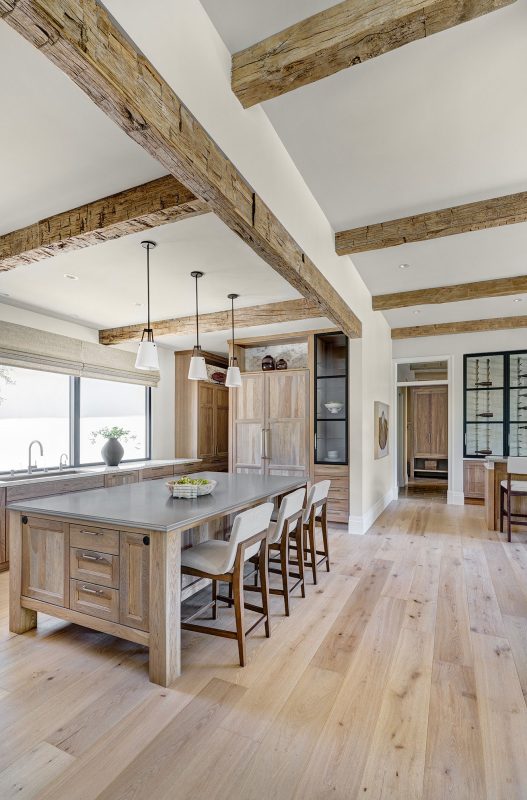
Hickory Kitchen Cabinets
© Crystal Cabinets

Why Design With Hardwood?

Bring Natural Beauty Into Your Design

No two pieces of hardwood are exactly alike. Natural variation in color, grain and figure gives each species—and each board—its own character.

From the clean, contemporary look of White Oak to the rich warmth of Walnut, the subtle grain of Alder to the distinctive character of Hickory, hardwood gives designers an extensive palette of natural materials to work with.

Hardwood can be specified to create a focal point or used throughout a space to establish warmth, continuity and visual connection.

Design with a material that looks natural because it is.

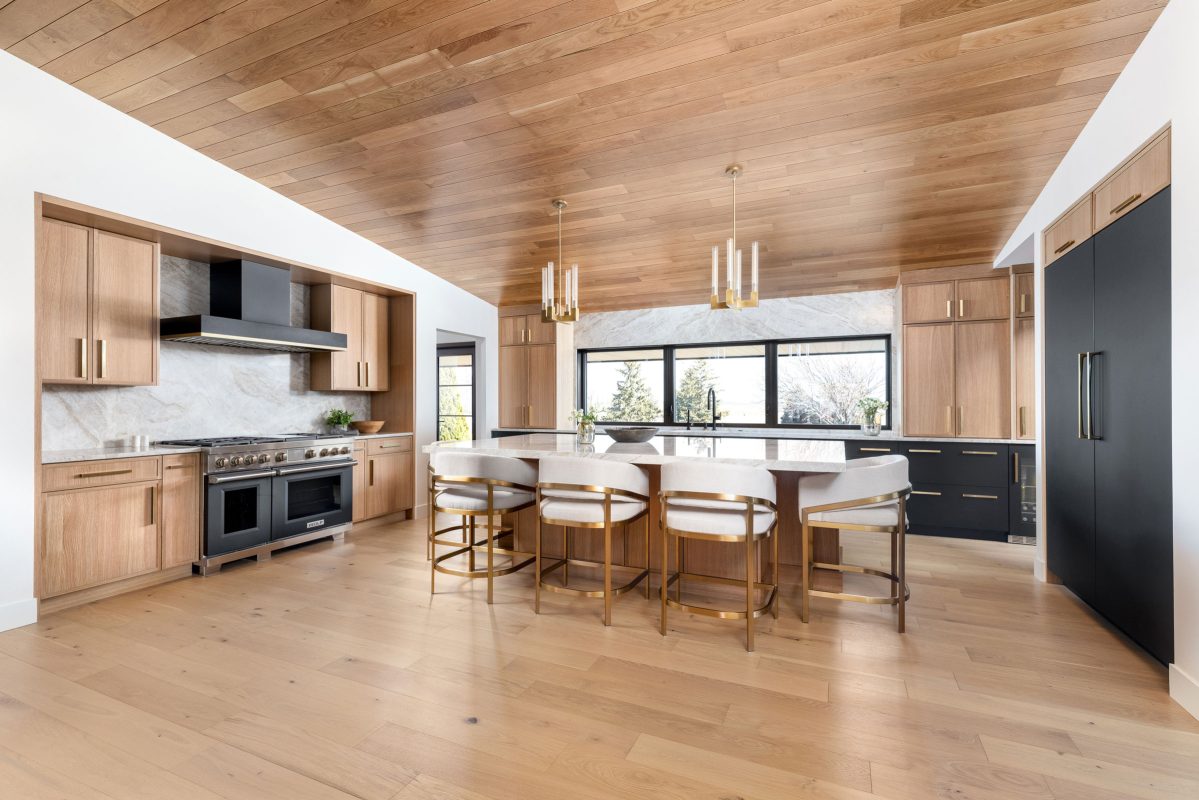
Rift Cut White Oak Kitchen Cabinets with wood floors and wood ceiling
© Crystal Cabinets
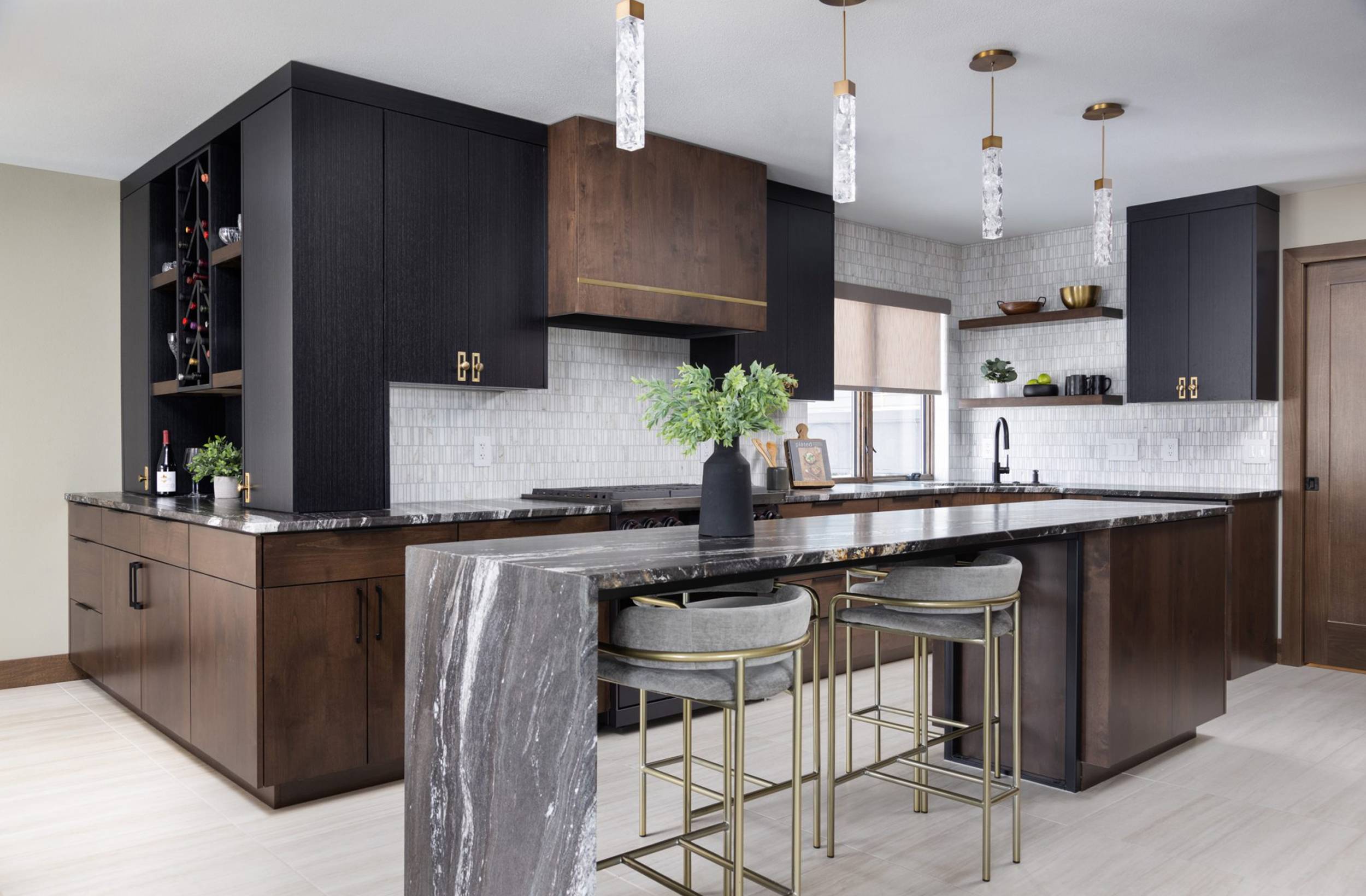
Alder kitchen cabinets
© Crystal Cabinets

Hardwood Is a Material That Ages With the Space

Good design should last. Hardwood is a material that can become more distinctive with time rather than simply looking worn.

The right species, grade, finish and application can help hardwood stand up to years of use while allowing its natural character to remain part of the design.

For architects and designers, that means specifying a material with longevity in mind—not simply how it looks when a project is photographed on opening day.

Design for today. Specify for the years ahead.

It's Real Wood, Not a Simulation

In the thoughtful selection of materials, the choice of hardwoods over synthetic substitutes is not merely a preference but a conscientious act of environmental stewardship. Responsibly sourced hardwoods fuse skilled workmanship with the enduring resilience of nature, creating living spaces that radiate warmth and grow more characterful and robust as the years pass.

In stark contrast, the allure of synthetic substitutes, with their immediate cost-effectiveness and convenience, belies the hidden costs: the heavy environmental toll of their production, the finite resources they consume, and the enduring legacy of pollution, waste and potential health risks they leave behind. These materials, often reliant on petrochemicals, compromise air quality and contribute to greenhouse gas emissions, while their shorter lifespan ushers in a cycle of waste and replacement, challenging our planet’s delicate ecological balance.

For designers seeking authentic materials, hardwood offers something manufactured alternatives cannot: the real thing.

Digital printing and synthetic materials can reproduce the appearance of wood, but they cannot reproduce the natural variation, texture, and material authenticity of real hardwood.

Hardwood is the material itself—not an image of another material.

That distinction matters in spaces where materiality is part of the experience. The tactile surface, natural grain, and variation of real wood create an experience that changes depending on light, perspective, and touch.

For designers seeking authentic materials, hardwood offers something manufactured alternatives cannot: the real thing.

White Oak Flooring - Somerset Floors
© Somerset Hardwood Flooring
Baby crawling on hardwood floor

Sustainability & Wellness

Hardwood brings the rhythms of nature into the built environment, making it a natural fit for biophilic design. Its warmth, organic variation, and tactile character can create spaces that feel more connected to the natural world, supporting a sense of comfort and well-being.

As a renewable material sourced from responsibly managed forests, North American hardwood offers architects and designers an opportunity to make thoughtful material choices that consider both the experience of a space and its environmental impact.

Sustainable design starts with understanding where materials come from, how they are produced, how long they can serve a space, and what happens at the end of their useful life. When responsibly sourced hardwood is crafted into long-lasting products, it can support healthy forests, local communities, and more sustainable spaces. 

Sustainable design starts with thoughtful material choices.

Specify With Confidence

There is no single “hardwood look.” Each species offers a unique combination of color, grain, figure, texture, hardness, stability, workability, and response to stain and finish. That versatility makes hardwood suitable for everything from cabinetry and furniture to flooring, doors, wall treatments, and architectural millwork.

Choosing the right species shouldn’t be a guessing game. By understanding how characteristics such as appearance, performance, grade, availability, and intended application align with your design goals, you can specify hardwood with confidence.

Use NWH’s Hardwood Species Guide to compare species and find the right material for your project.

Alder Kitchen Cabinetry - Crystal Cabinets - Design by Amanda Fisher and Alicia Holubok
© Crystal Cabinets

Start with the design. Find the right species.

Continue Exploring

Hardwood Species Guide

Compare species and learn more about their color, grain, hardness, workability, stability and common applications.

Material Comparisons

Understand how hardwoods compare with other materials and how different species compare with one another.

Continuing Education

Learn more about specifying North American hardwoods with NWH’s free, on-demand IDCEC-approved CEU course.

Project Gallery

See how designers, architects, and manufacturers are using hardwood in real-world projects today.

Why Hardwoods?

1

Aesthetics and Authenticity

The enduring allure of hardwoods lies in their honest and pure beauty, offering a tactile connection to nature that resonates with timeless elegance. Each piece tells a story of authenticity, bringing a sense of warmth and grounding to any space it inhabits. Embracing the unique character of hardwoods is to celebrate the art of nature’s design, designing spaces that speak to the soul with their natural, unadorned sophistication.

Speak to the soul with genuine and timeless appeal.

Cherish the planet and care for its people.

2

Sustainability and Wellness

Opting for hardwoods aligns the art of design with the rhythms of nature, offering sustainable solutions that enhance both environmental health and personal well-being. These materials, sourced from conscientiously managed forests, support a healthy ecosystem while also ensuring that our indoor spaces are free from the volatile organic compounds commonly found in synthetic alternatives. The natural warmth and serenity of hardwoods contribute to a sense of wellness and calm, making them an ideal choice for creating spaces that are not only beautiful but also beneficial to mental and physical health.

3

It’s The Real Thing

In the thoughtful selection of materials, the choice of hardwoods over synthetic substitutes is not merely a preference but a conscientious act of environmental stewardship. Responsibly sourced hardwoods fuse skilled workmanship with the enduring resilience of nature, creating living spaces that radiate warmth and grow more characterful and robust as the years pass.

In stark contrast, the allure of synthetic substitutes, with their immediate cost-effectiveness and convenience, belies the hidden costs: the heavy environmental toll of their production, the finite resources they consume, and the enduring legacy of pollution, waste and potential health risks they leave behind. These materials, often reliant on petrochemicals, compromise air quality and contribute to greenhouse gas emissions, while their shorter lifespan ushers in a cycle of waste and replacement, challenging our planet’s delicate ecological balance.

A natural choice superior to synthetic substitutes.

Make the
right choice,
choose hardwoods

Discover the Benefits of Hardwoods, Join Our Mailing List for Updates and Insights!

Sign up now to get insights and updates on hardwoods and NWH, delivered straight to your inbox.

This field is for validation purposes and should be left unchanged.