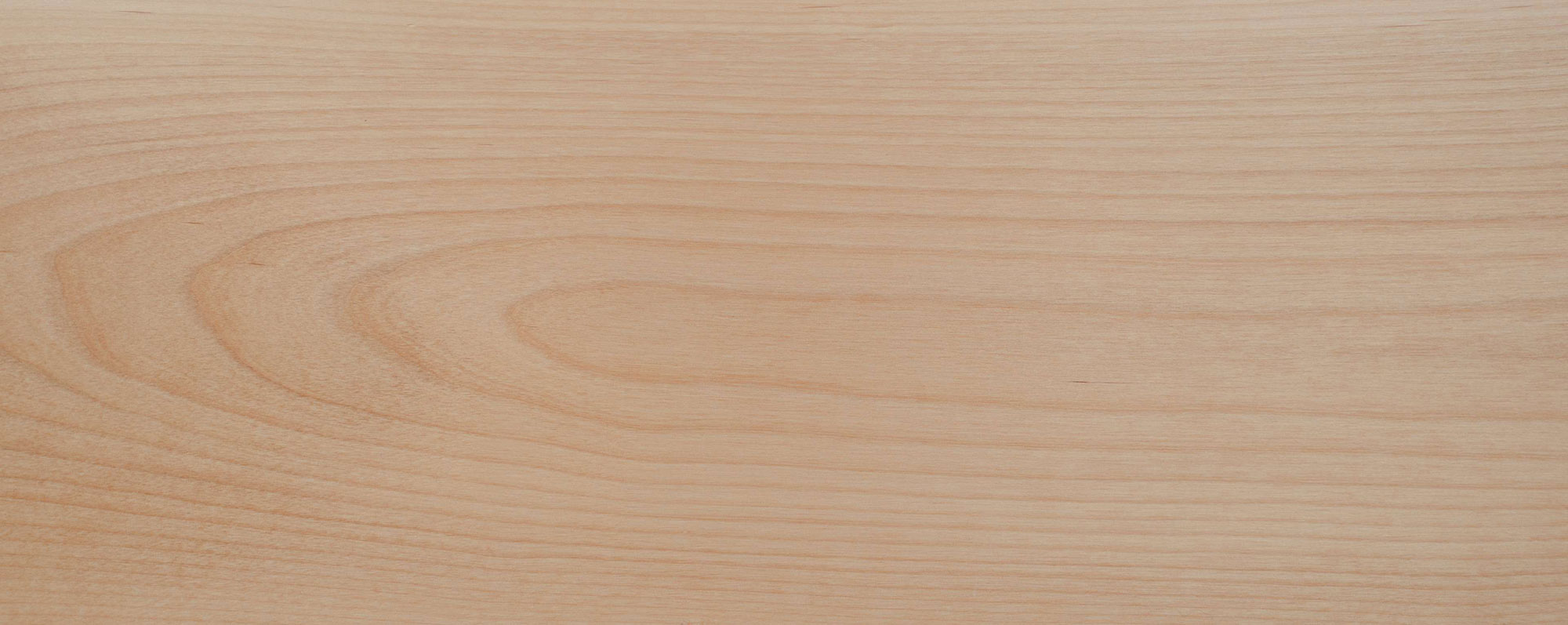
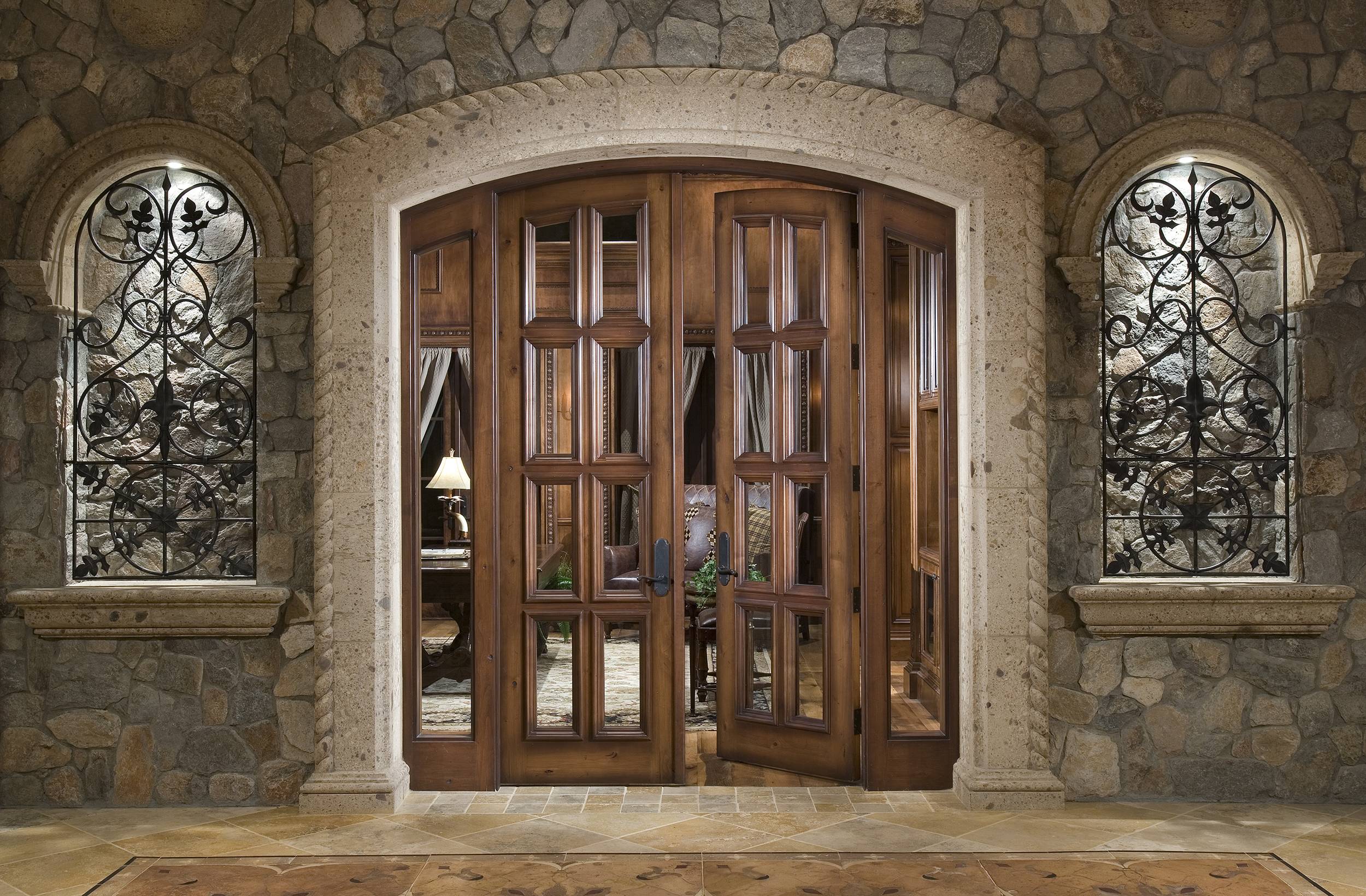
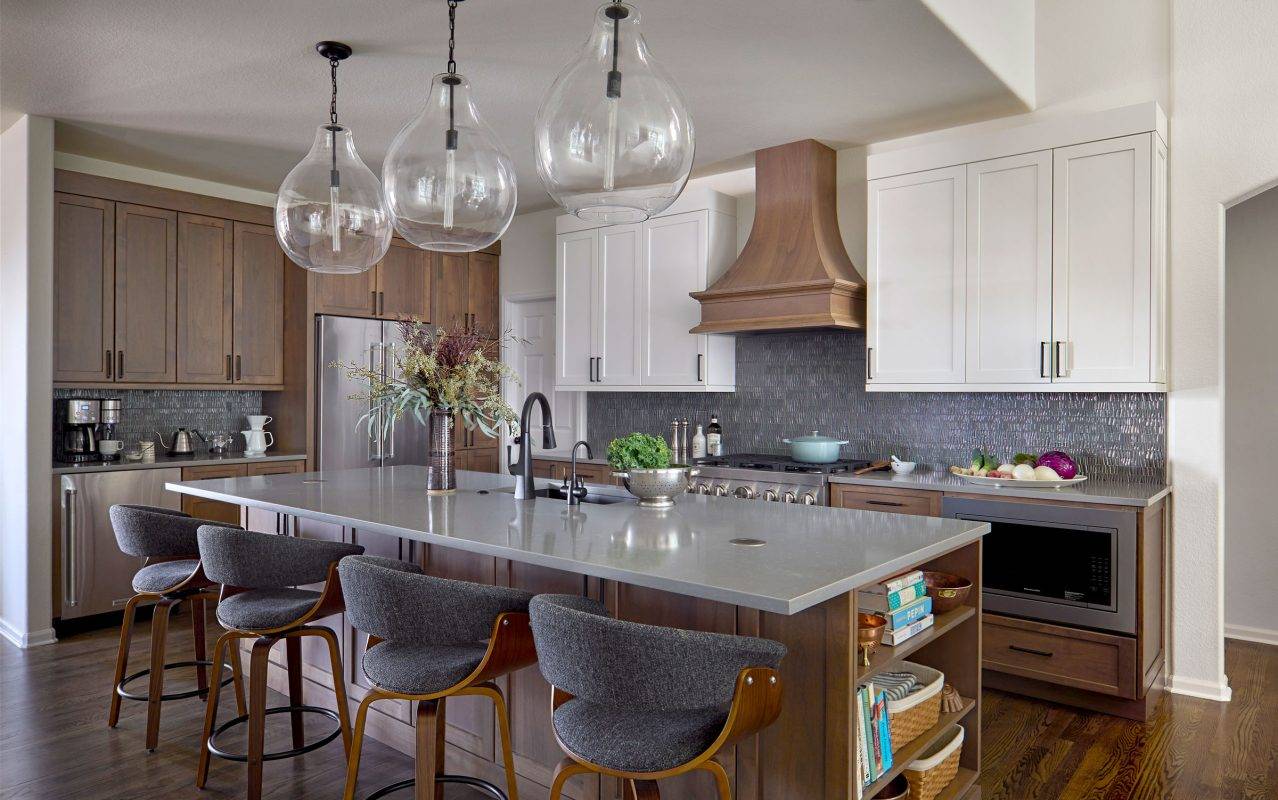
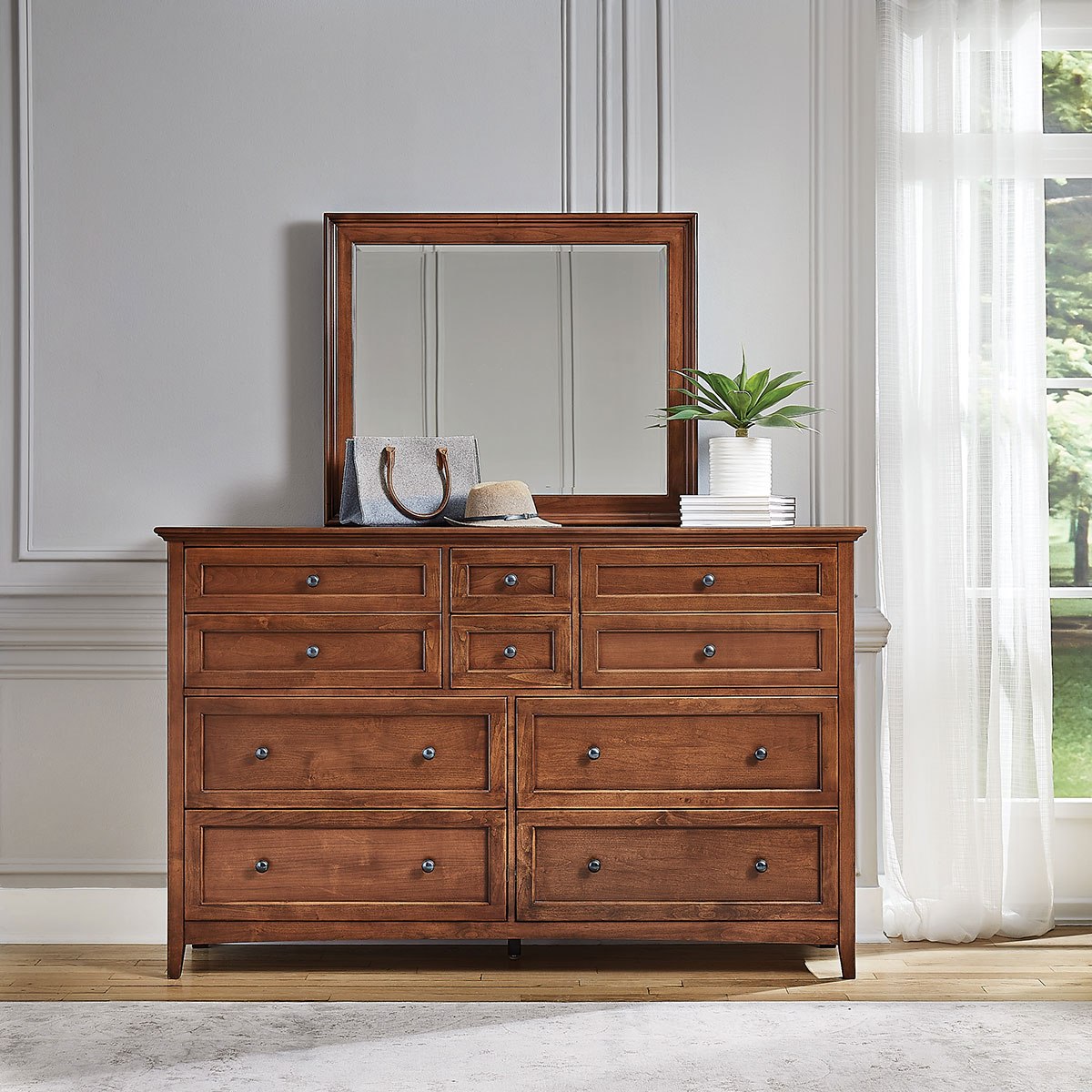
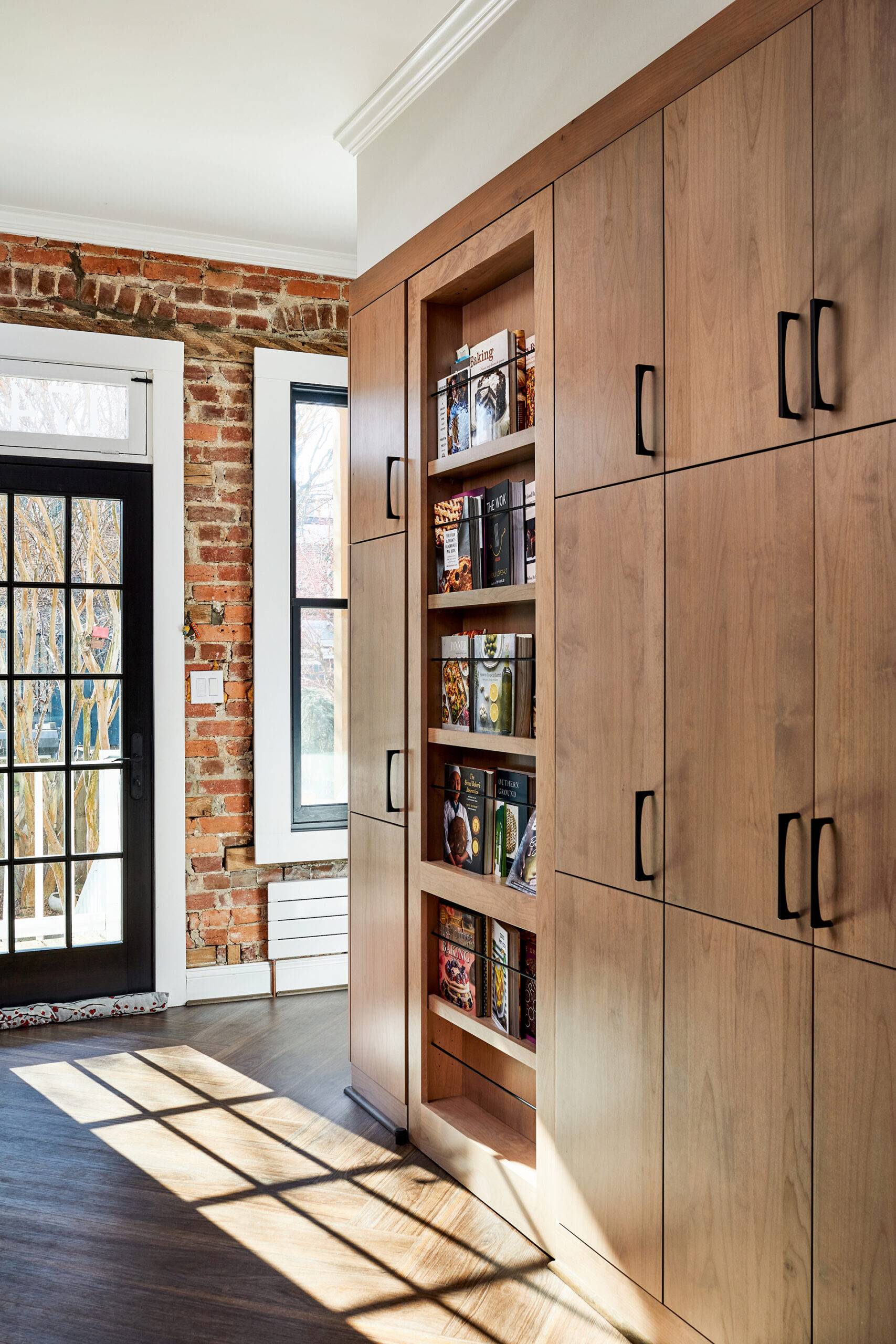
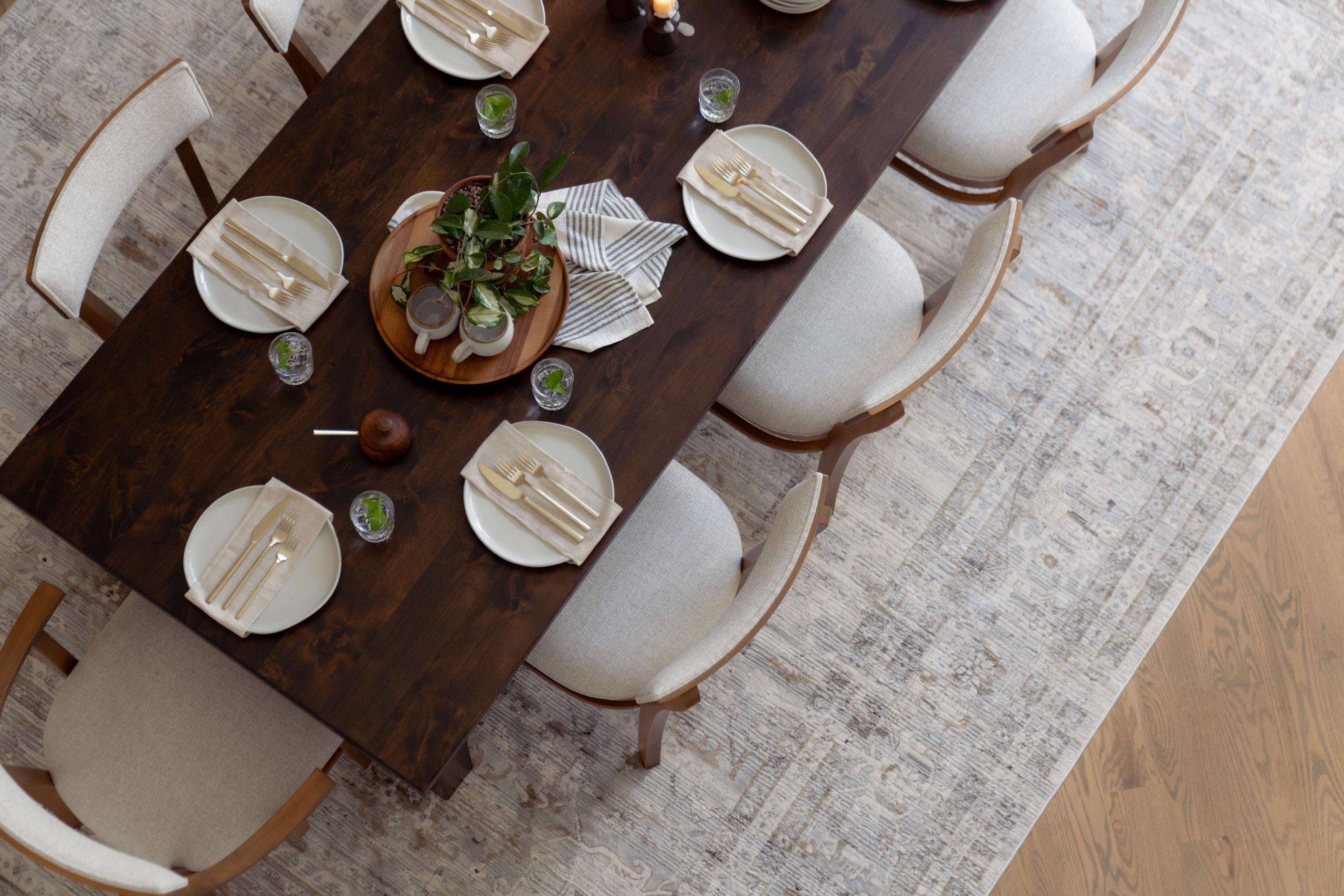
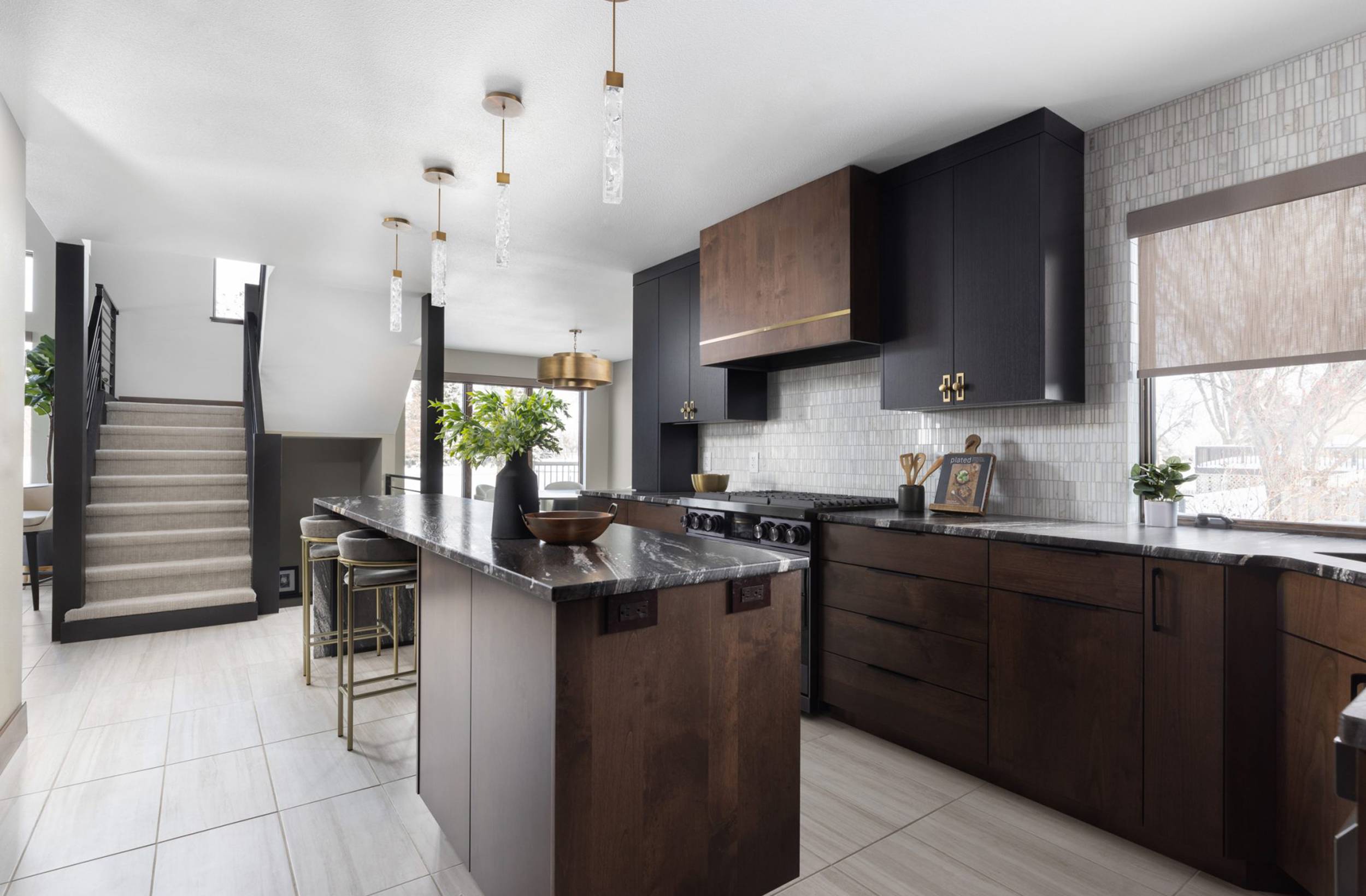
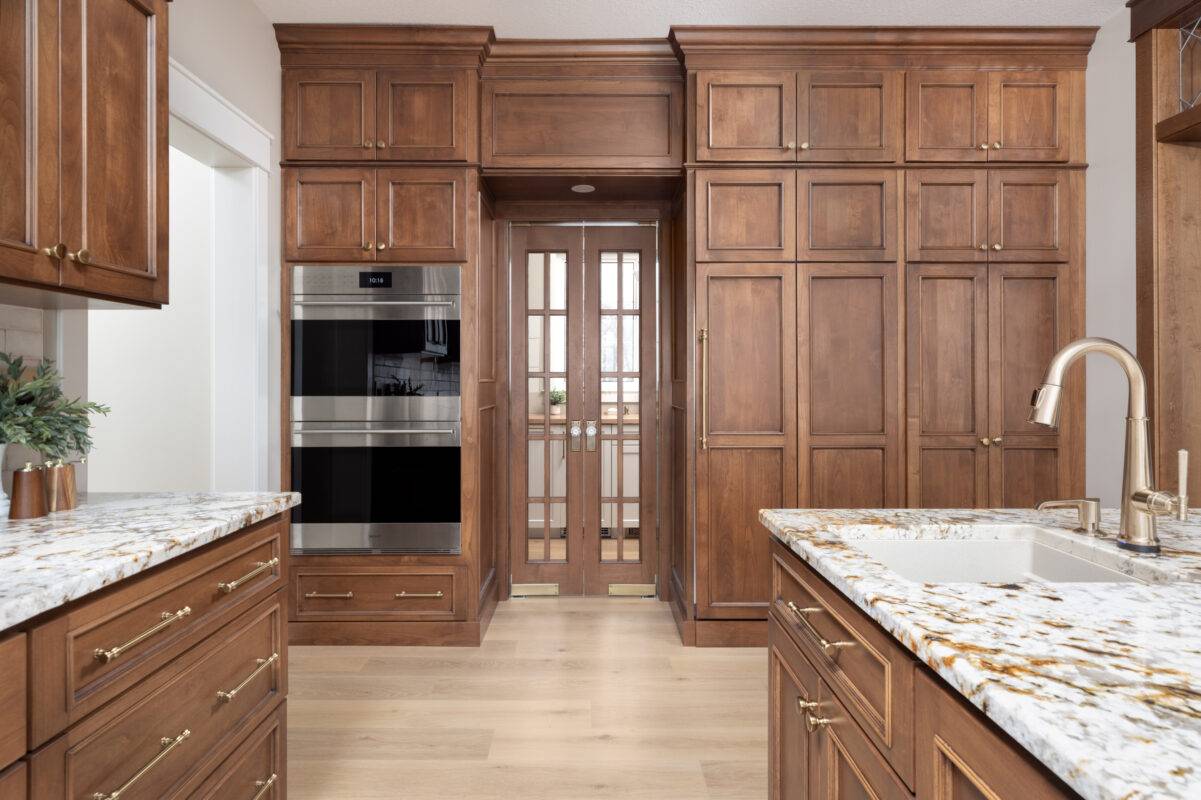
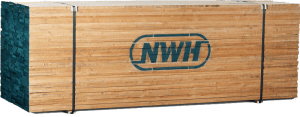
Red Alder, native to the Pacific Northwest, has a uniform honey color with limited differences between heartwood and sapwood. Coupled with its reliable stability, it is a popular choice for both furniture and cabinetry. With a closed grain and fine texture, the rich light brown color sets during the drying process (8.5% MC) that limits darkening and yellowing over time like other species are susceptible to.
This relatively soft hardwood is easy to work with, excelling in machining and fine finishing. It stains well and can be finished in a variety of shades and colors, offering a valuable alternative for a wide array of projects. Alder’s availability in various grades allows for flexibility in design and
applications – from rustic to refined contemporary pieces, aligning with the needs of both artisan craftsmen and large-scale manufacturers.

What’s Alder Used For?
Why Alder?
Quick Fact
Alder serves as a stable-cost alternative to Poplar and Soft Maple, favored for its price reliability amidst the market volatility of other hardwoods.