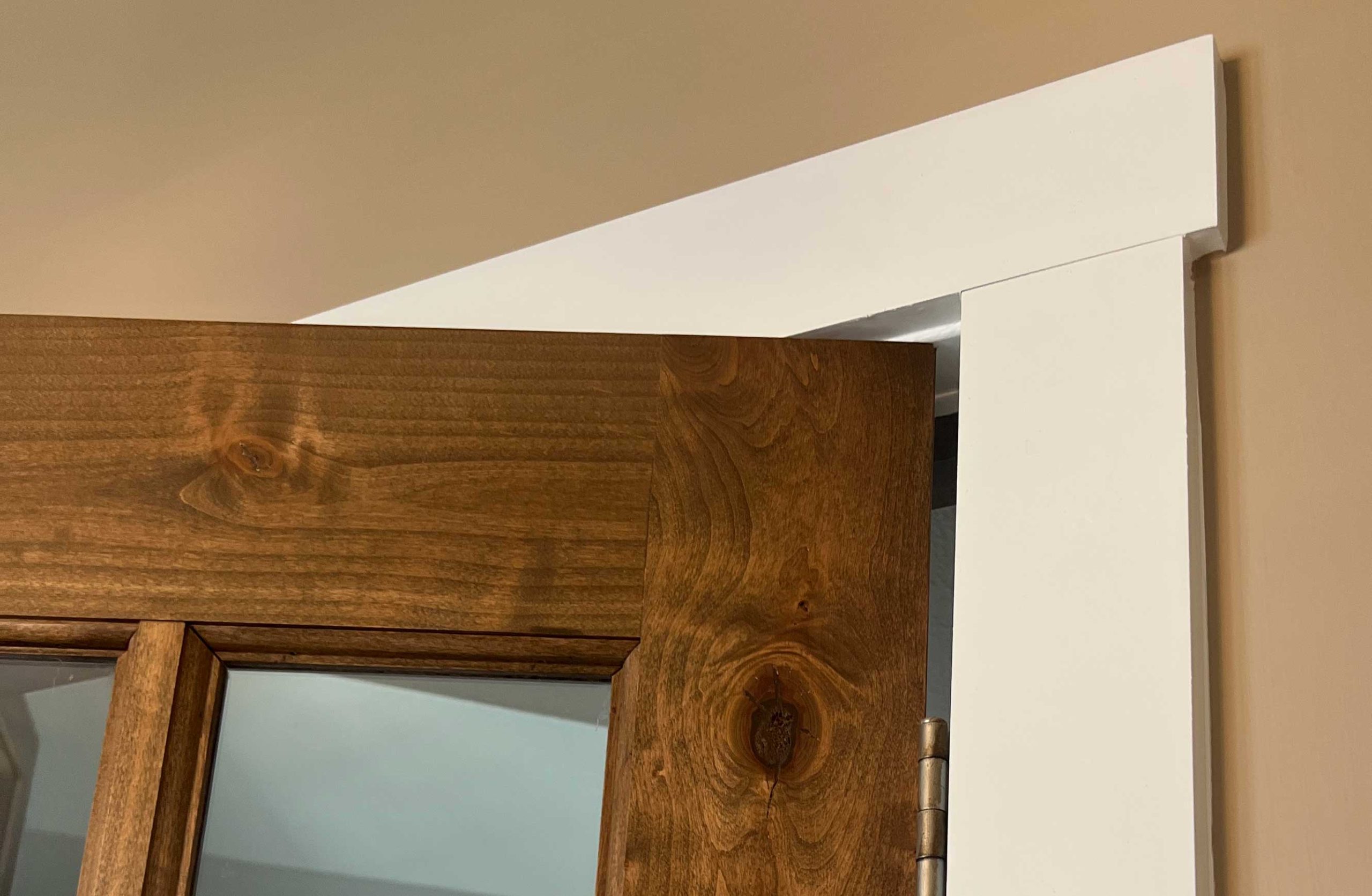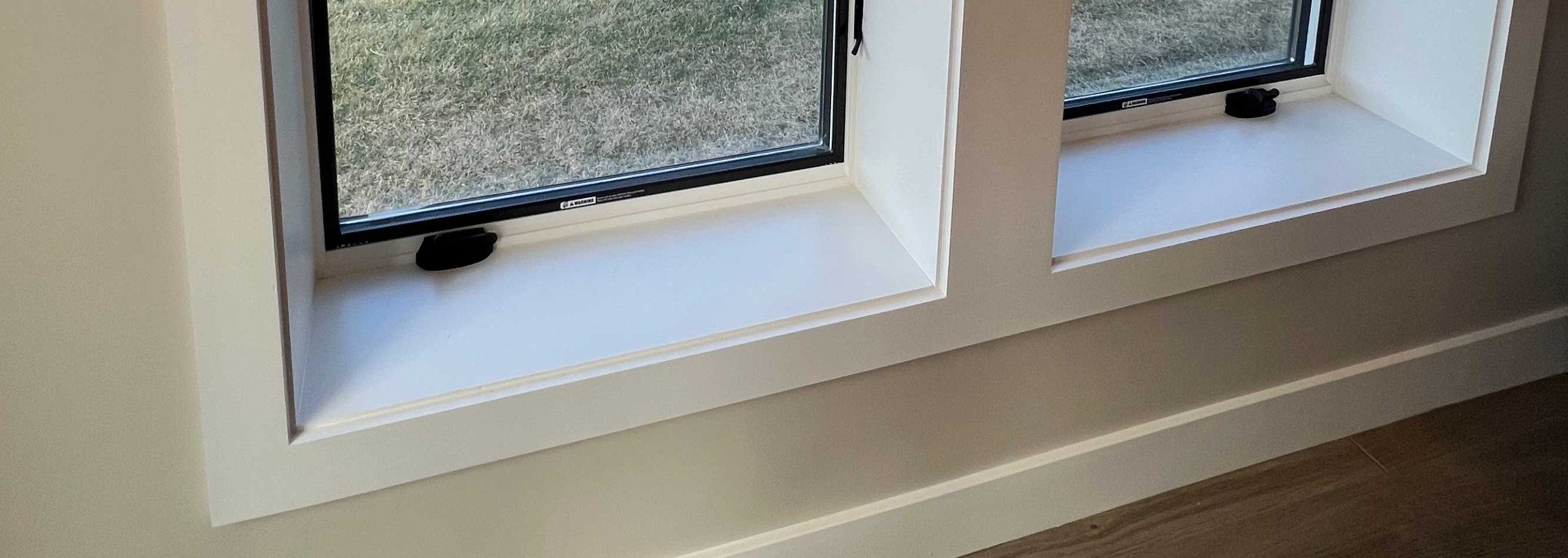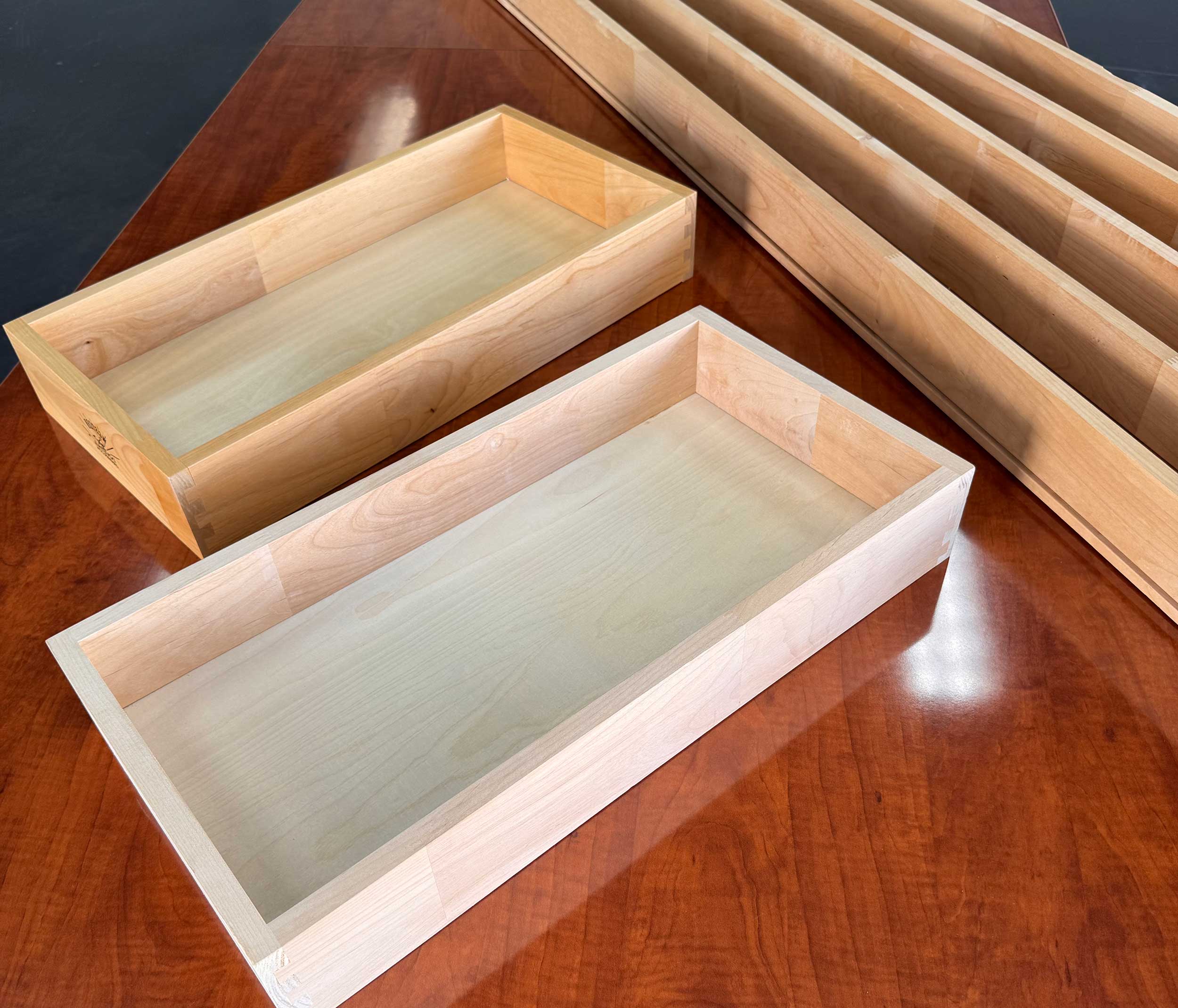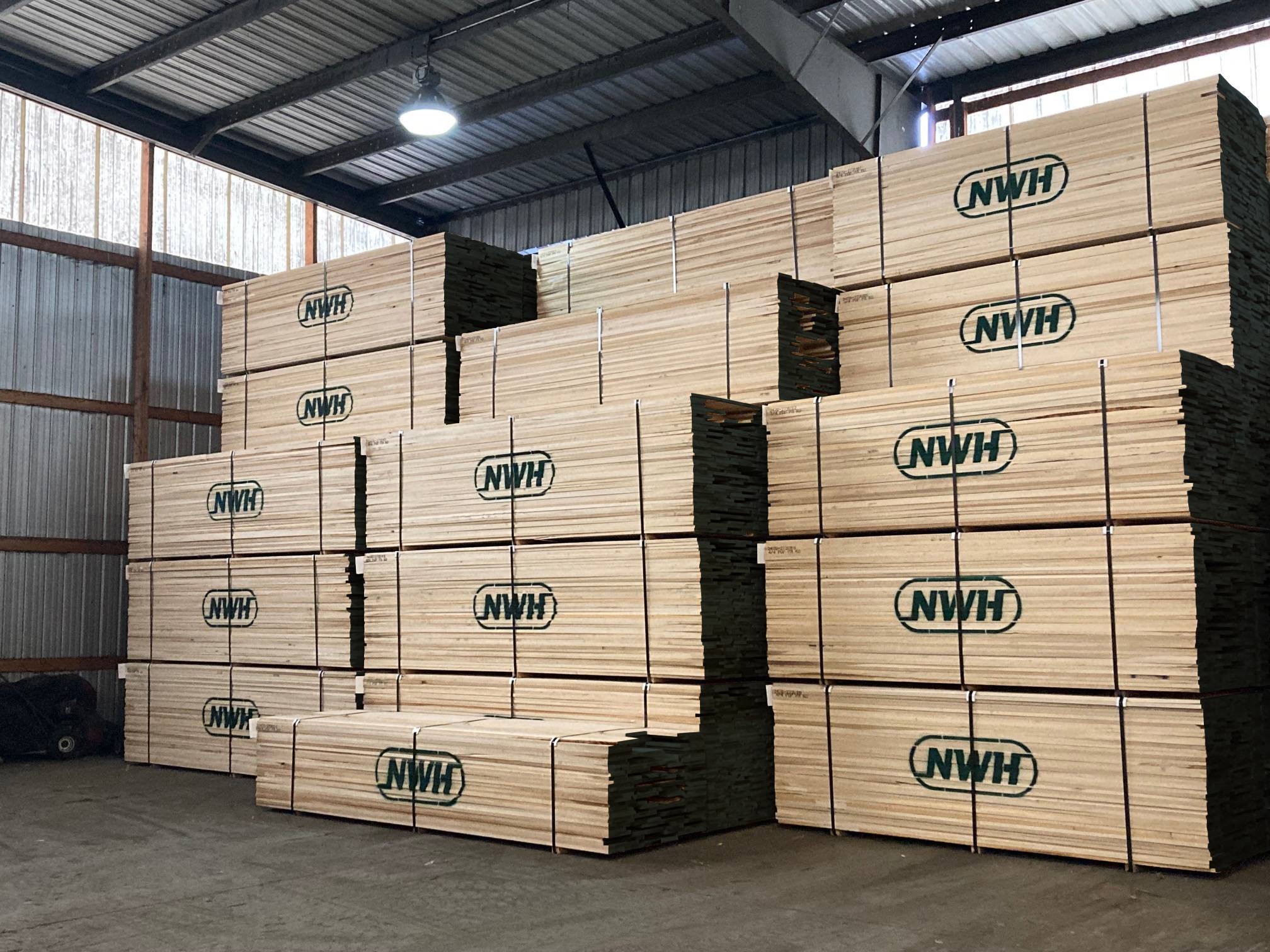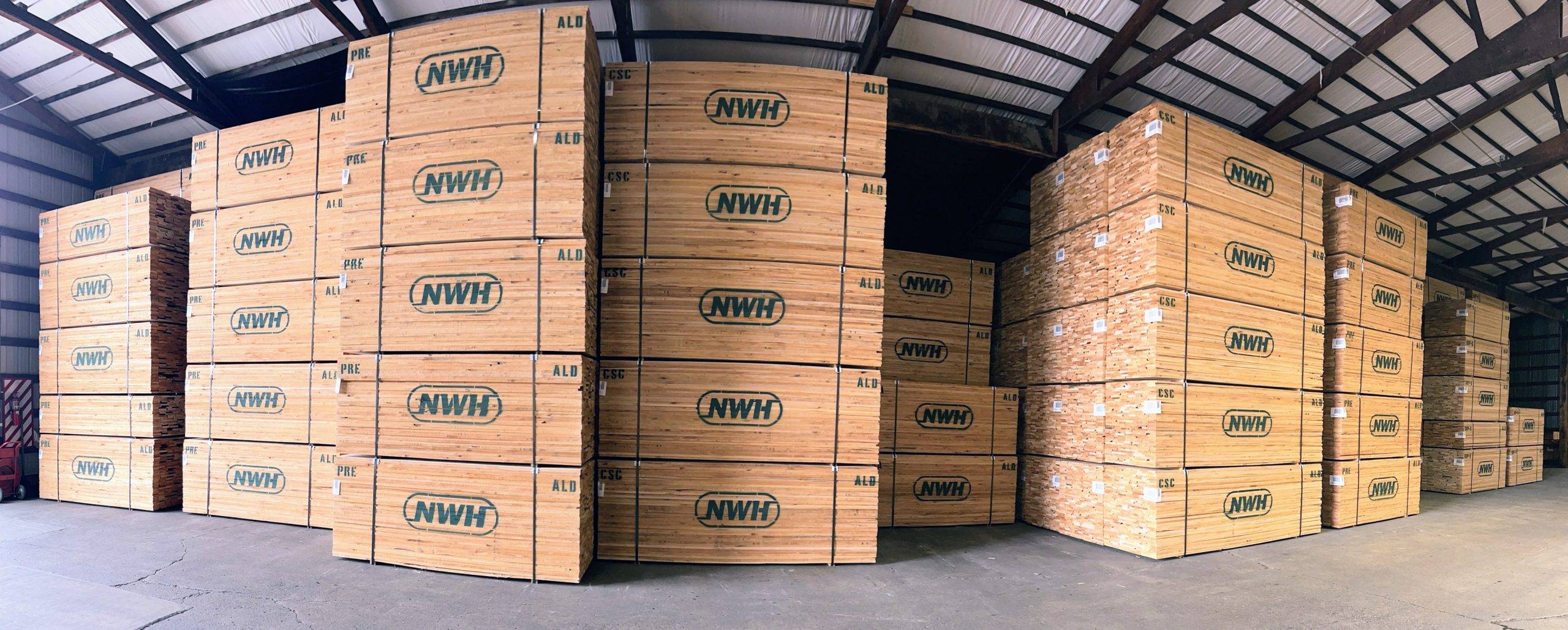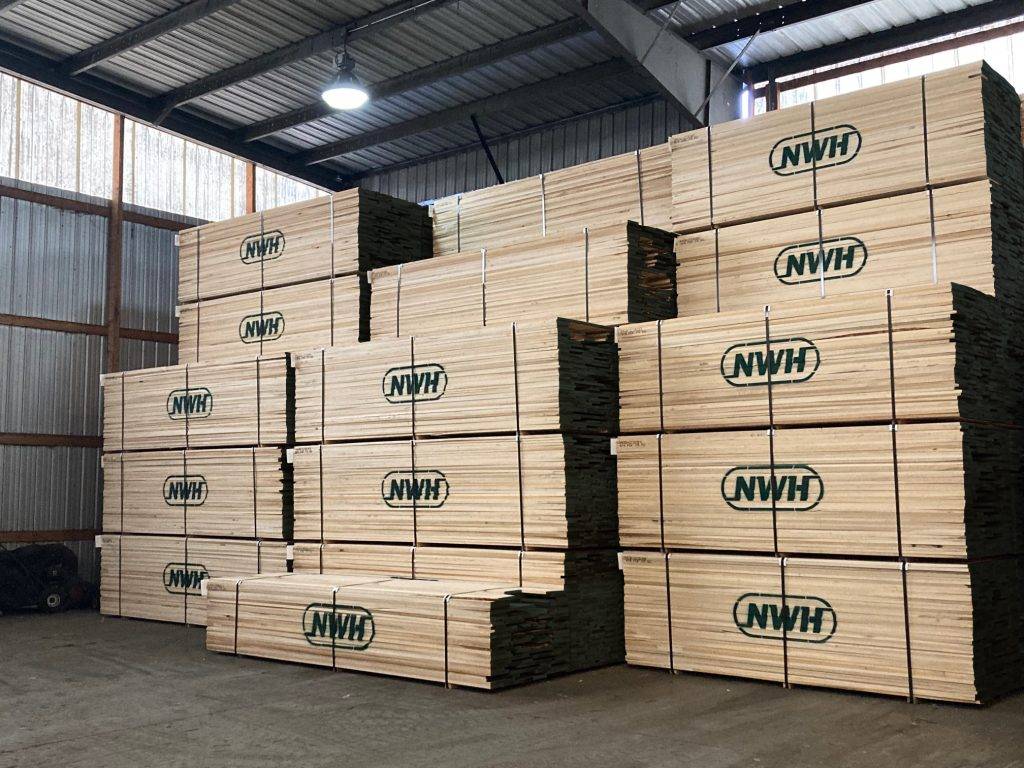


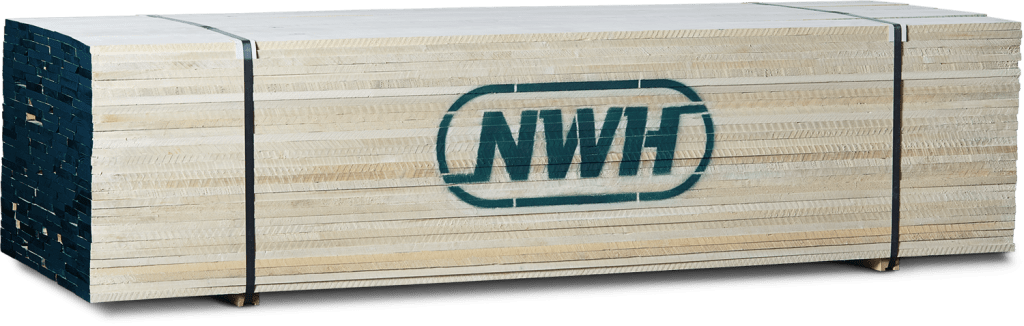


Most Poplar sold in the market follows standard NHLA grading rules. These rules define what is technically acceptable in a board based on clear cutting yield. What they don’t address is how consistent the material will look once it reaches the shop floor.
That difference between technical grade compliance and real-world appearance expectations is where NWH Poplar Prime stands apart.
NWH Poplar Prime begins with Poplar sourced from Northern U.S. growth regions. Climate and growing conditions in these regions tend to produce lumber with brighter white tones and more consistent grain patterns.
This provides a strong foundation for appearance-grade products where visual consistency matters.
Northern growth region advantages include:
NHLA grading rules allow a wide range of color variation in Poplar, including darker tones such as black, purple, and deep green. While these boards may technically pass inspection, they can create challenges in visible applications or during finishing.
For manufacturers, that variation often leads to extra sorting time, unexpected rejects, or inconsistent finished results.
To address this, NWH color sorts Poplar Prime, a step not required by NHLA grading standards. The goal is to produce a cleaner, more consistent appearance by targeting a “celery and better” color range and removing boards with darker discolorations that disrupt visual uniformity.
NWH Poplar Prime is sorted using parameters designed to prioritize appearance as well as grade compliance. We grade and color sort after surfacing, which is key.
During the process:
Material that does not meet these appearance parameters is redirected into Poplar Prime Natural, ensuring Poplar Prime remains a consistently clean product.
For manufacturers and millwork operations, the benefits show up immediately in production efficiency and finished product quality.
Using NWH Poplar Prime can help deliver:
In other words, fewer surprises between the lumber yard and the finished product.
NHLA grading rules define what is technically acceptable in lumber. But real-world applications often demand more than technical compliance alone.
NWH Poplar Prime is built around that reality—combining Northern-sourced material with appearance-focused sorting to deliver Poplar that performs more consistently where it matters most.
Because when expectations are higher, the material should be too.
Share This Post!

Sign up now to get insights and updates on hardwoods and NWH, delivered straight to your inbox.