Poplar
Poplar
Scientific Name: Populus Spp
Yellow Poplar thrives in the Eastern United States, growing quickly and abundantly. This fast-growing hardwood is popular for its straight grain and uniform texture, qualities that make it excellent for painting and staining.
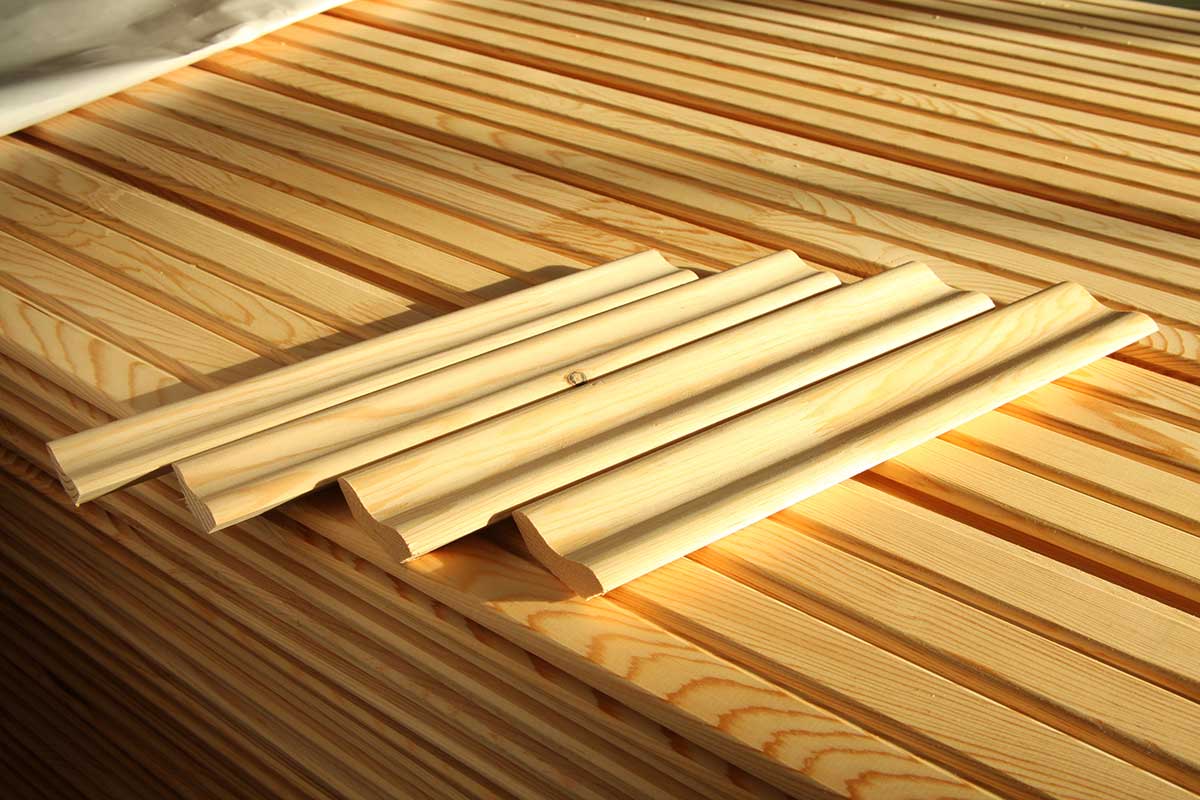
Poplar usually displays a light color palette that can feature green overtones, but can also have purple streaks. It will darken over time with UV exposure and appear tanned if areas are covered. Though softer than many hardwoods, Poplar is still durable enough for a range of uses and is particularly easy to machine. It’s often chosen for carving, crafting detailed work without splitting, and is frequently used in the production of furniture, doors, and architectural millwork for interiors.
COMMON APPLICATIONS
- Furniture
- Interior Doors
- Millwork
- Moulding
- Baskets
- Picture Frames
WHY CHOOSE POPLAR?
- Lightweight and soft
- Paint-friendly surface
- Smooth grain texture
- Cost-effective hardwood
- Durable and stable


WORKING PROPERTIES

QUICK FACT
Poplar is the Swiss Army knife of hardwoods, often serving as an economical option for everything from construction to furniture.
MECHANICAL PROPERTIES
Weight per Bdft: 2.81
Specific Gravity (Density): 0.43
Hardness (Janka): 540
Bending Strength (MOR): 10,100
Bending Stiffness (million psi) (MOE): 1.580
Dimensional Movement (Shrinkage): R 4.6%, T 8.2%
T/R Ratio (Stability): 1.9
QUICK FACT
Poplar is the Swiss Army knife of hardwoods, often serving as an economical option for everything from construction to furniture.
Poplar Resources
Looking for Poplar lumber specifications, grades, and availability?
Contact our product experts today!