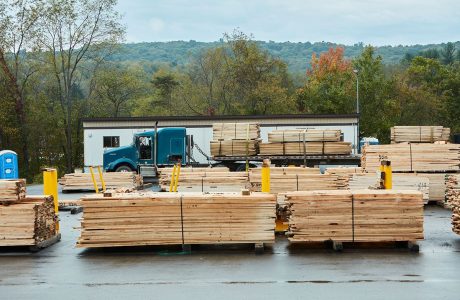
Behind the Boards: Titusville
Built for EfficiencyThe Titusville concentration yard is a 130,000 square-foot facility situated on 14 acres, designed with efficiency in mind. Lumber follows a circular production flow, moving seamlessly from the stacker to air-dry yards, kilns, planers, and ultimately shipping to the customer.The facility operates 17 kilns with a total capacity... read more >

How to Finish Alder : Better preparation leads to better results
Why Process Matters More Than Species Like any hardwood species, achieving the best results depends on proper preparation and finishing techniques. Sanding, staining, sealing, and topcoat selection all play an important role in developing consistent color and bringing out the natural character of the wood. When those steps are properly... read more >
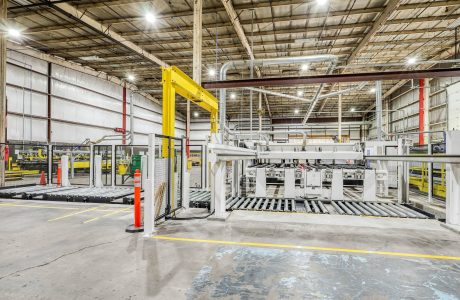
Behind the Boards: Elkhart
Built for Customization and PrecisionOriginally opened in 1966 by Weyerhaeuser and later acquired by Northwest Hardwoods in 2014, the Elkhart, IN facility spans approximately 8.5 acres, has an annual production capacity of 90,000 m3/8, and is purpose-built for custom panel component manufacturing. Unlike NWH's traditional sawmills or concentration yards, Elkhart focuses... read more >
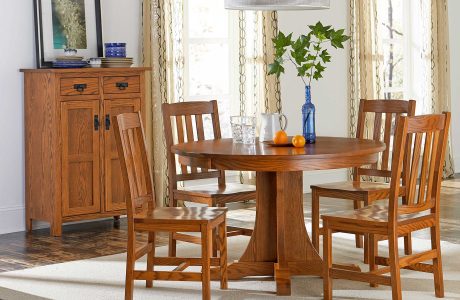
Why Glacial Red Oak Delivers a Better Board : Different Appearance. Different Performance. Different Value.
The Advantage of the Glacial Growth Region The Glacial region creates an ideal foundation for appearance-grade hardwoods: Tighter grain structure driven by slower growth Improved stability with less seasonal movement More consistent color due to fewer subspecies Warmer, neutral tones with browns and tans, less red and pink Put simply:... read more >
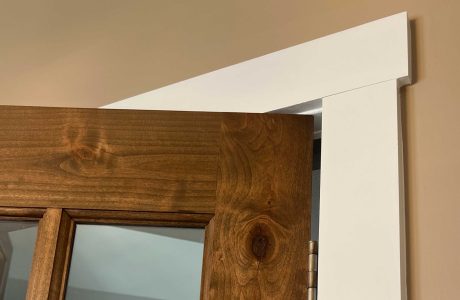
Alder Finger-Joint Blanks vs. Solid Wood : When Consistency and Yield Matter More Than Tradition
What Finger-Joint Alder Means for Your ProductionAlder finger-joint blanks are designed with manufacturing in mind. The result is an engineered, predictable material that helps shops move faster with fewer disruptions. Attribute Finger-Joint Alder Solid Wood Length Consistency Straightness Dimensional Stability Yield / Waste Availability (long lengths) Paint-Grade Performance Why Shops Are... read more >
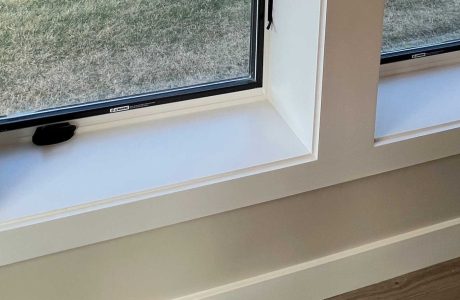
Primed Alder Finger-Joint for Paint Grade Millwork : Why It Outperforms Pine, Poplar, and MDF
Pine, poplar, and MDF each have their place. But they also come with tradeoffs, whether it’s denting, movement, inconsistent surfaces, poor fastener holding or poor finishing characteristics.Primed Alder finger-joint offers a different approach. By engineering real wood for stability and consistency, it delivers a smoother finish, stronger performance, and fewer... read more >
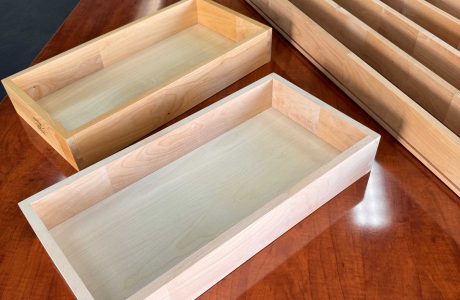
Alder Drawer Sides: Solid and Finger-Joint Options for Modern Cabinetry
Why Alder Works So Well for Drawer Boxes Alder exceeds expectations by doing something subtle but important. It does not distract. Its naturally consistent color and uniform grain minimize visual variation across full kitchen or casework runs, allowing the craftsmanship and design of the cabinet to take center stage. For... read more >
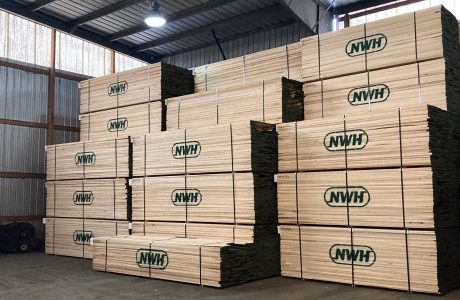
Poplar Prime: When Grade Standards Aren’t Enough
The NWH DifferenceMost Poplar sold in the market follows standard NHLA grading rules. These rules define what is technically acceptable in a board based on clear cutting yield. What they don’t address is how consistent the material will look once it reaches the shop floor.That difference between technical grade compliance... read more >
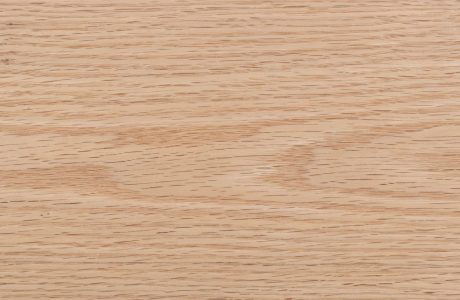
Northern Red Oak vs Southern Red Oak : Different Appearance. Different Performance. Different Value.
Appearance: The Difference You See FirstThe most immediate distinction is visual.Northern Red Oak, sourced from Appalachian and Northern regions, typically presents warmer tan and wheat tones with subtle light pink undertones. The grain tends to be straighter and tighter, creating a refined and consistent appearance from board to board.Southern Red... read more >