


Sign up now to get insights and updates on hardwoods and NWH, delivered straight to your inbox.

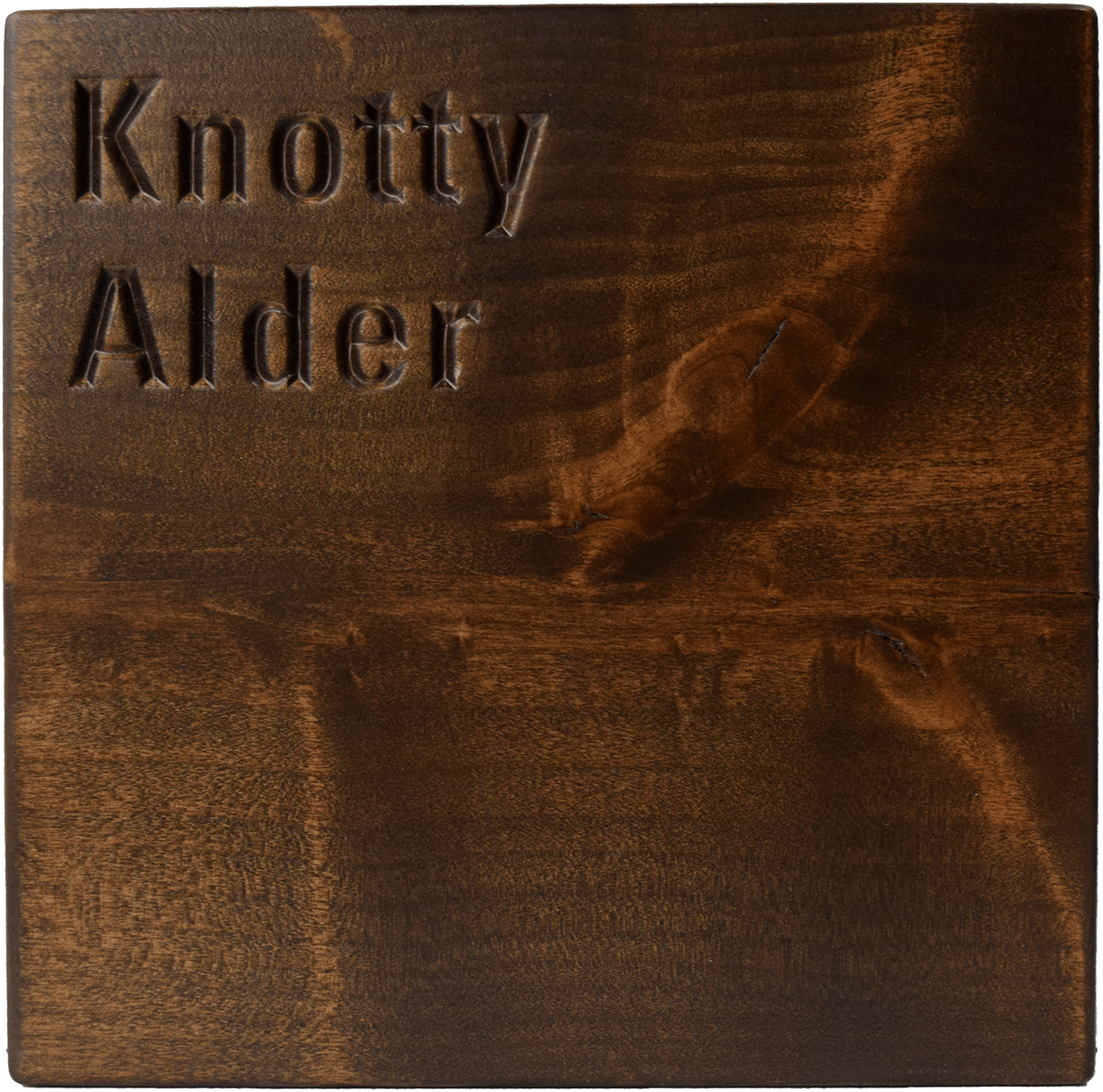
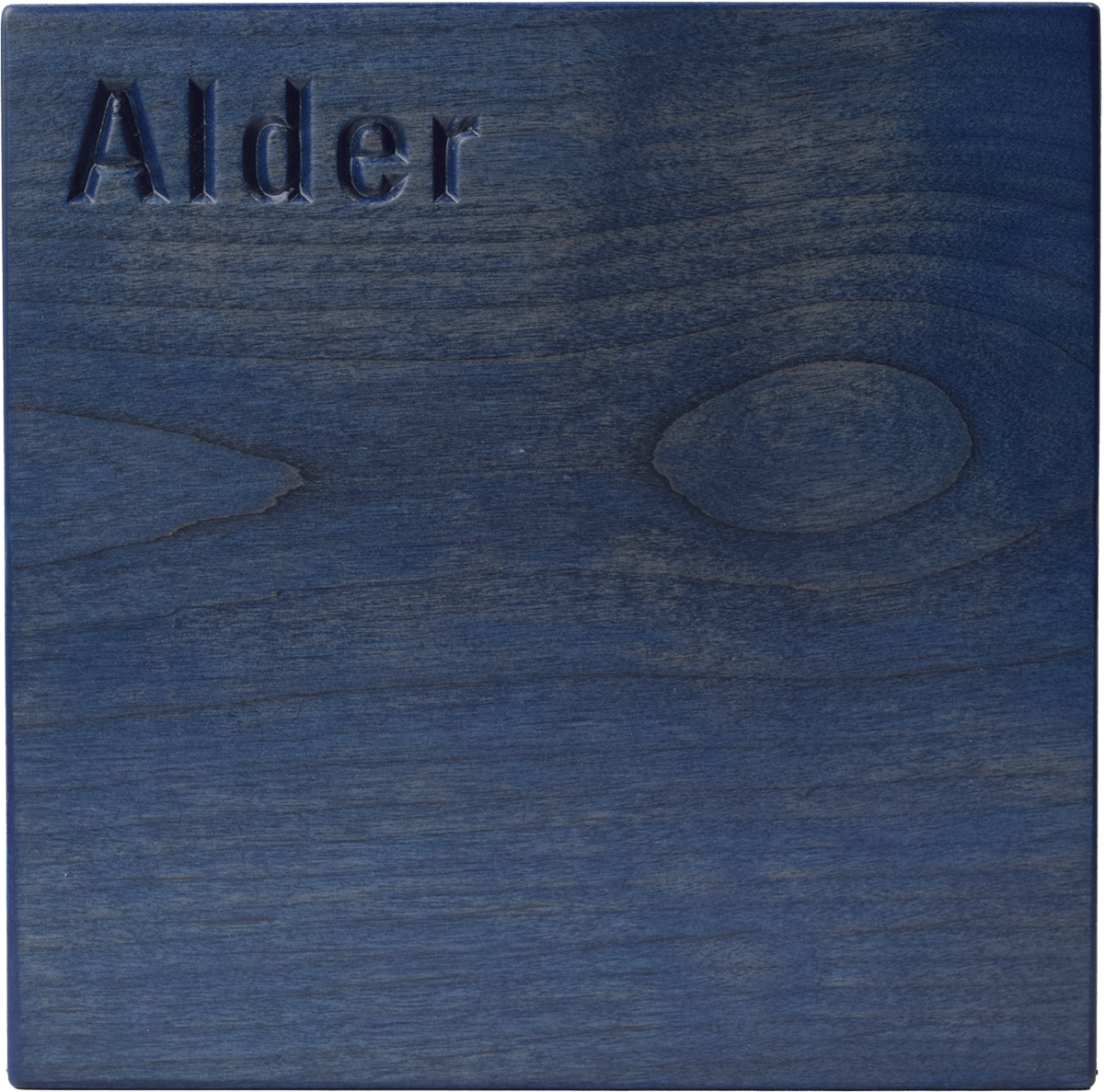
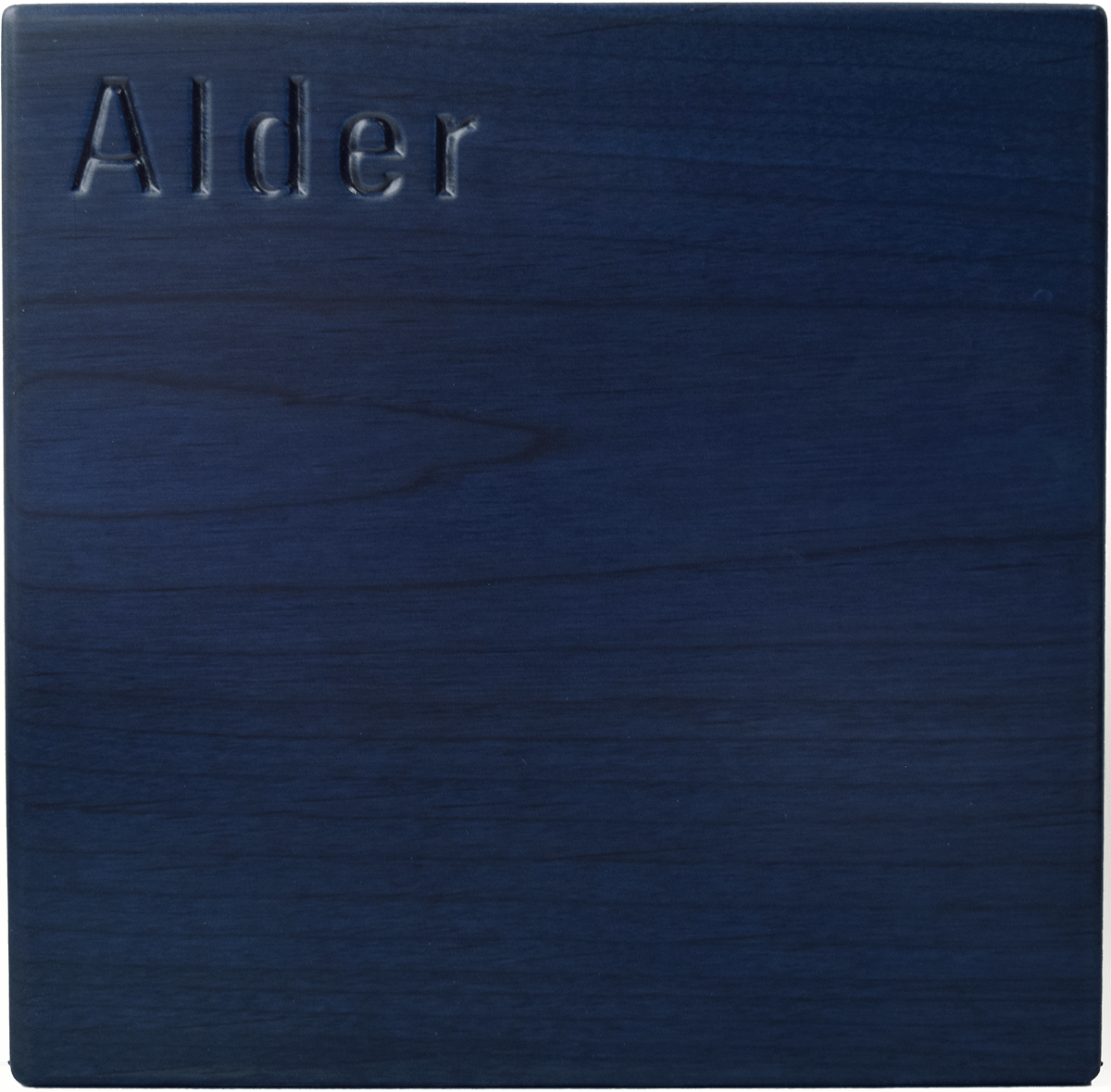
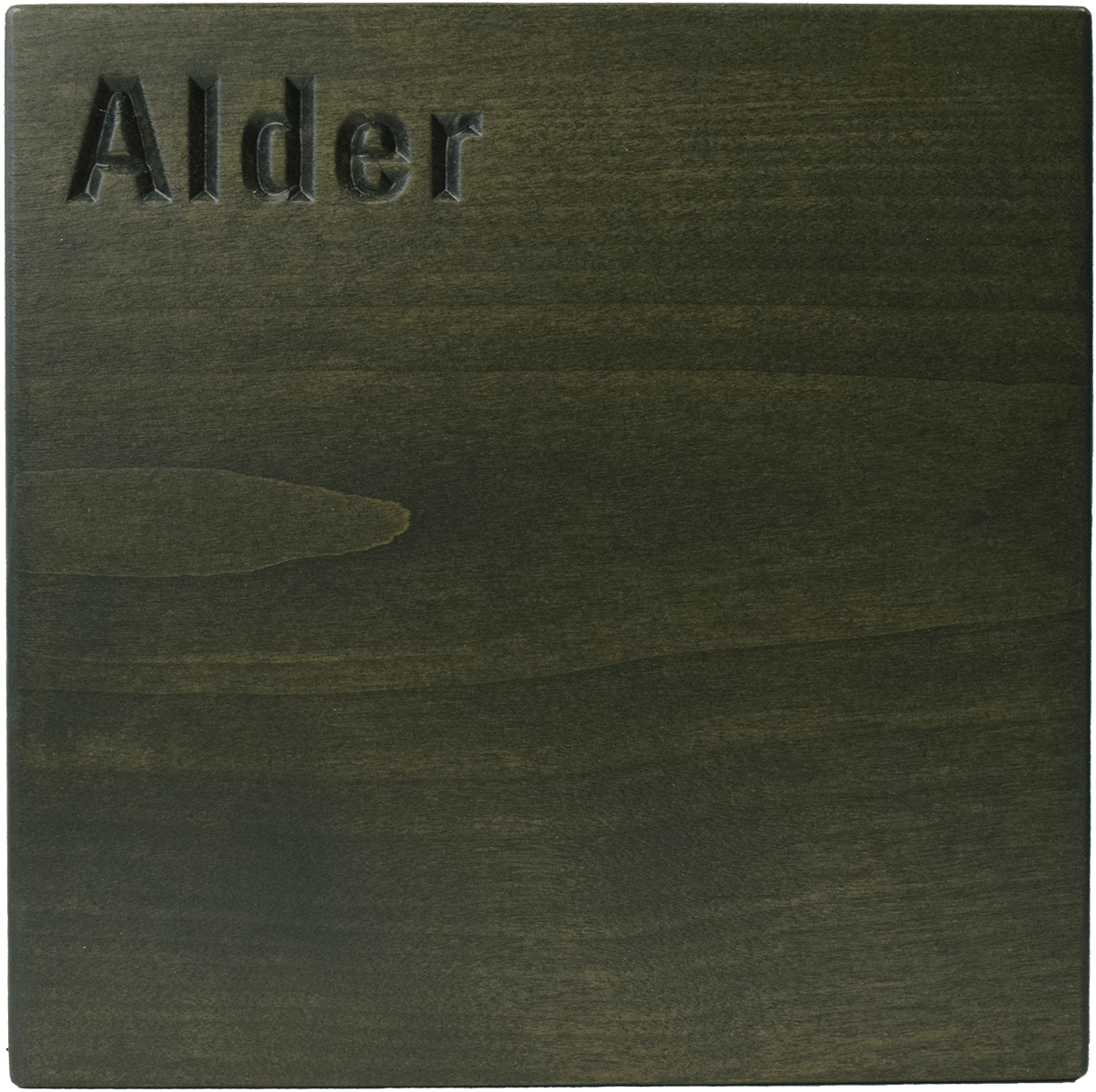
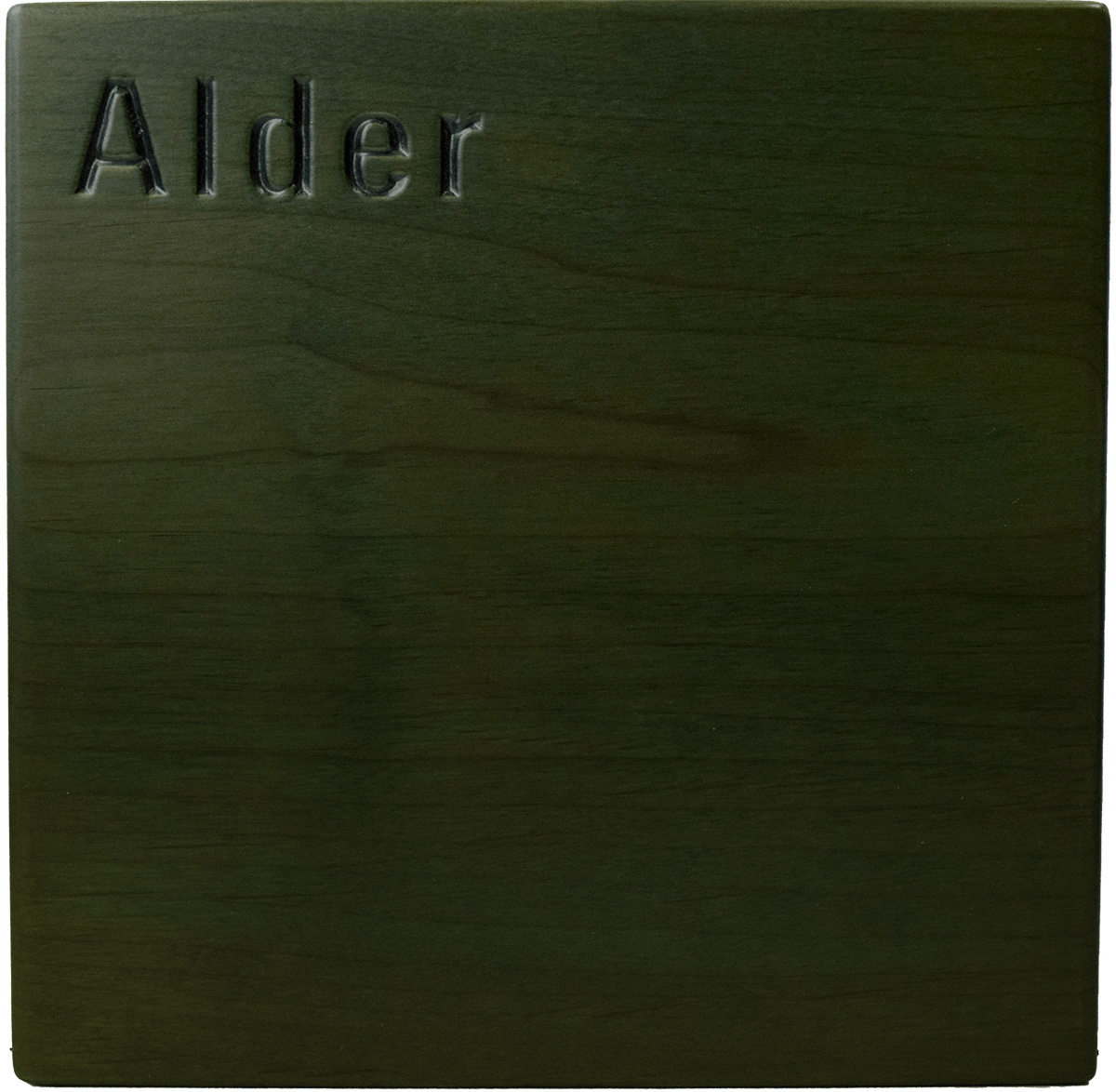
Like any hardwood species, achieving the best results depends on proper preparation and finishing techniques. Sanding, staining, sealing, and topcoat selection all play an important role in developing consistent color and bringing out the natural character of the wood.
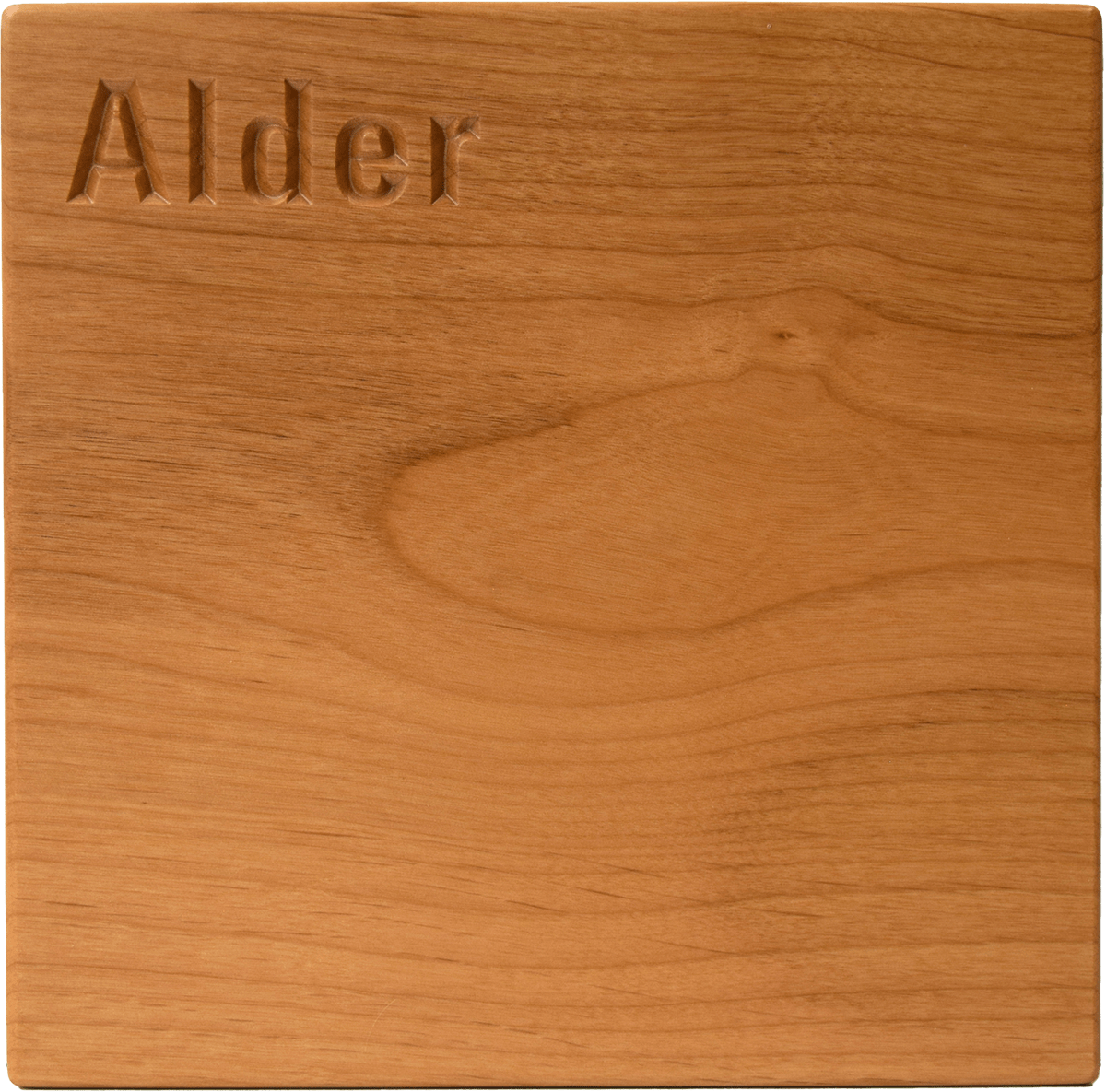
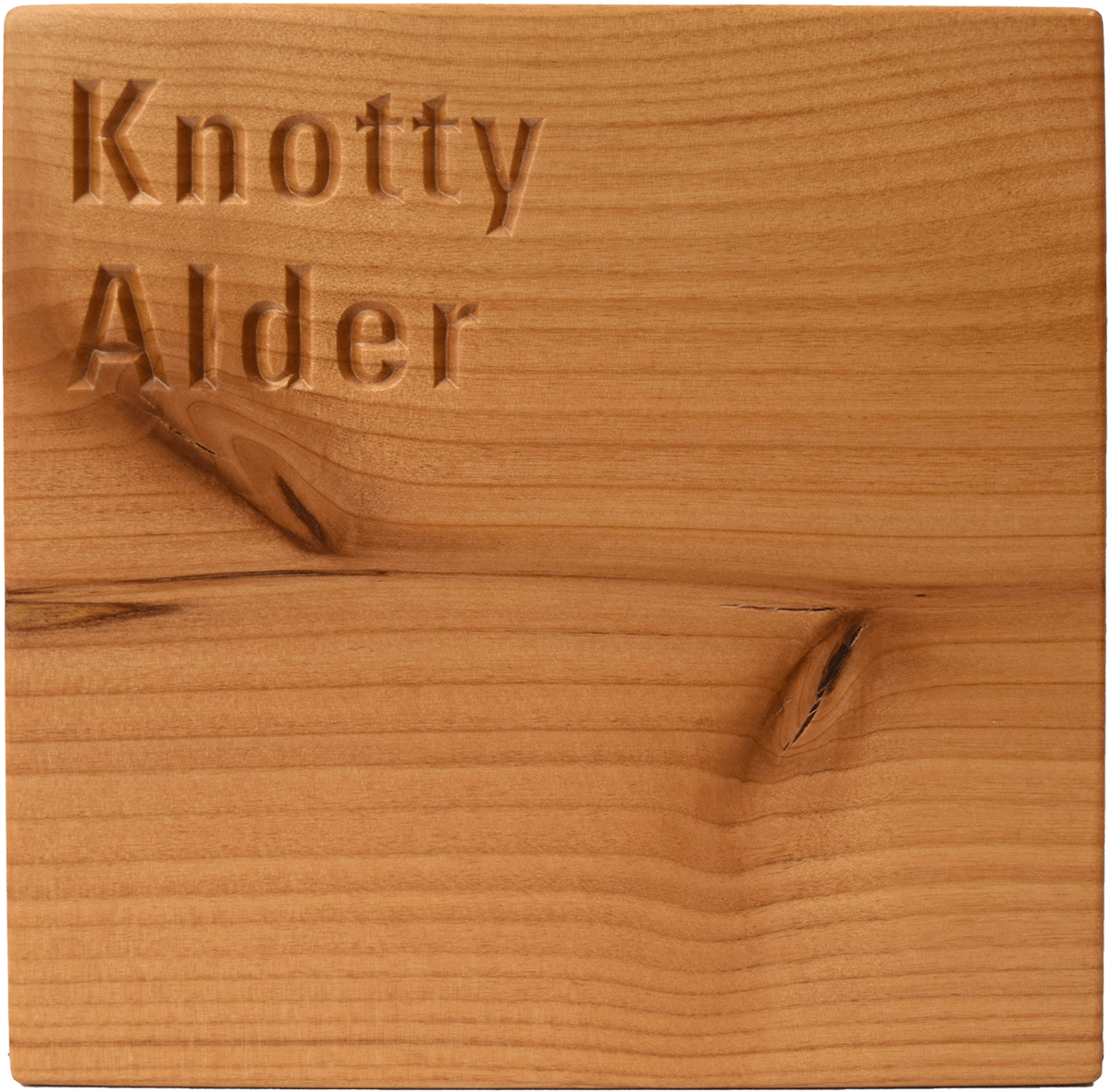
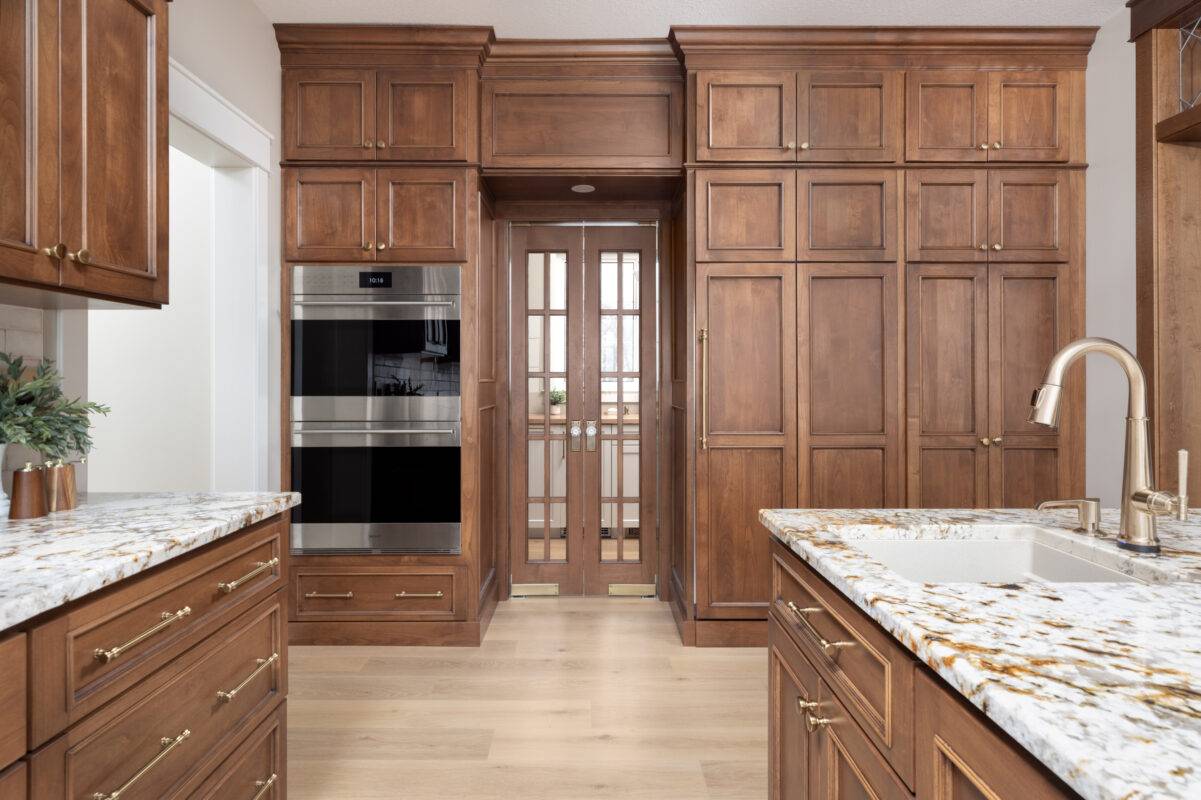
When those steps are properly managed, Alder produces the warm, rich appearance that has made it a favorite for cabinetry, furniture, millwork, and architectural applications. Understanding how Alder responds during the finishing process can help manufacturers achieve more consistent, repeatable results while maximizing the beauty of the finished product.
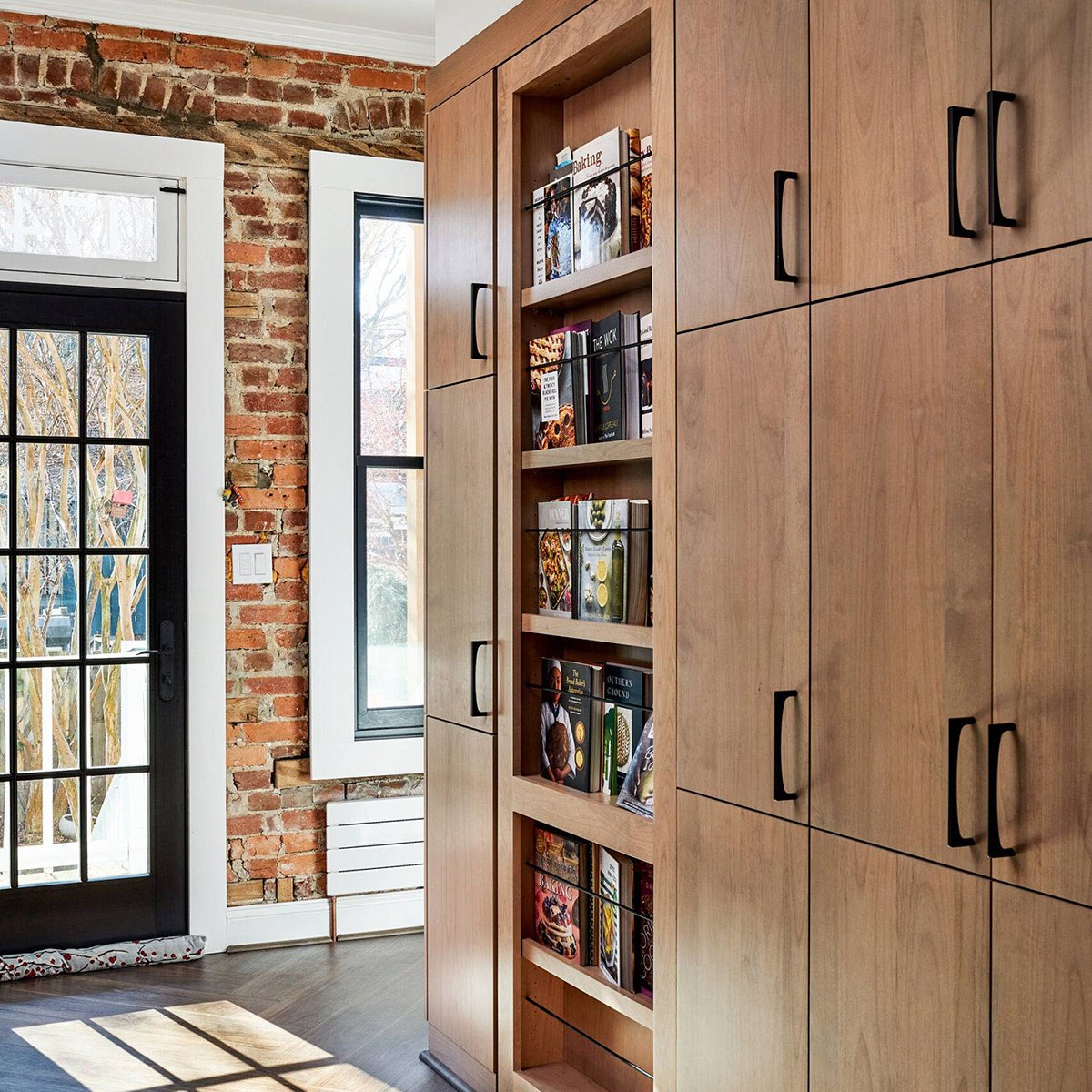
Consistent finishing starts long before stain is applied.
One of the most common mistakes is over-sanding. While it may seem intuitive that a smoother surface produces a better finish, sanding Alder too finely can actually reduce stain uniformity.
Many finishers achieve the best results by finishing sanding Alder between 150 and 180 grit. This creates a surface that remains receptive to stain while maintaining a smooth appearance.
Just as importantly, sanding must remain consistent across all components. Differences in sanding practices between parts can result in noticeable color variation after finishing.
For applications where color consistency is critical, many manufacturers use a washcoat, sanding sealer, or conditioning step prior to staining.
This partially controls absorption and helps create a more uniform foundation for color development.
The result is improved consistency, reduced blotching, and greater repeatability from one production run to the next.
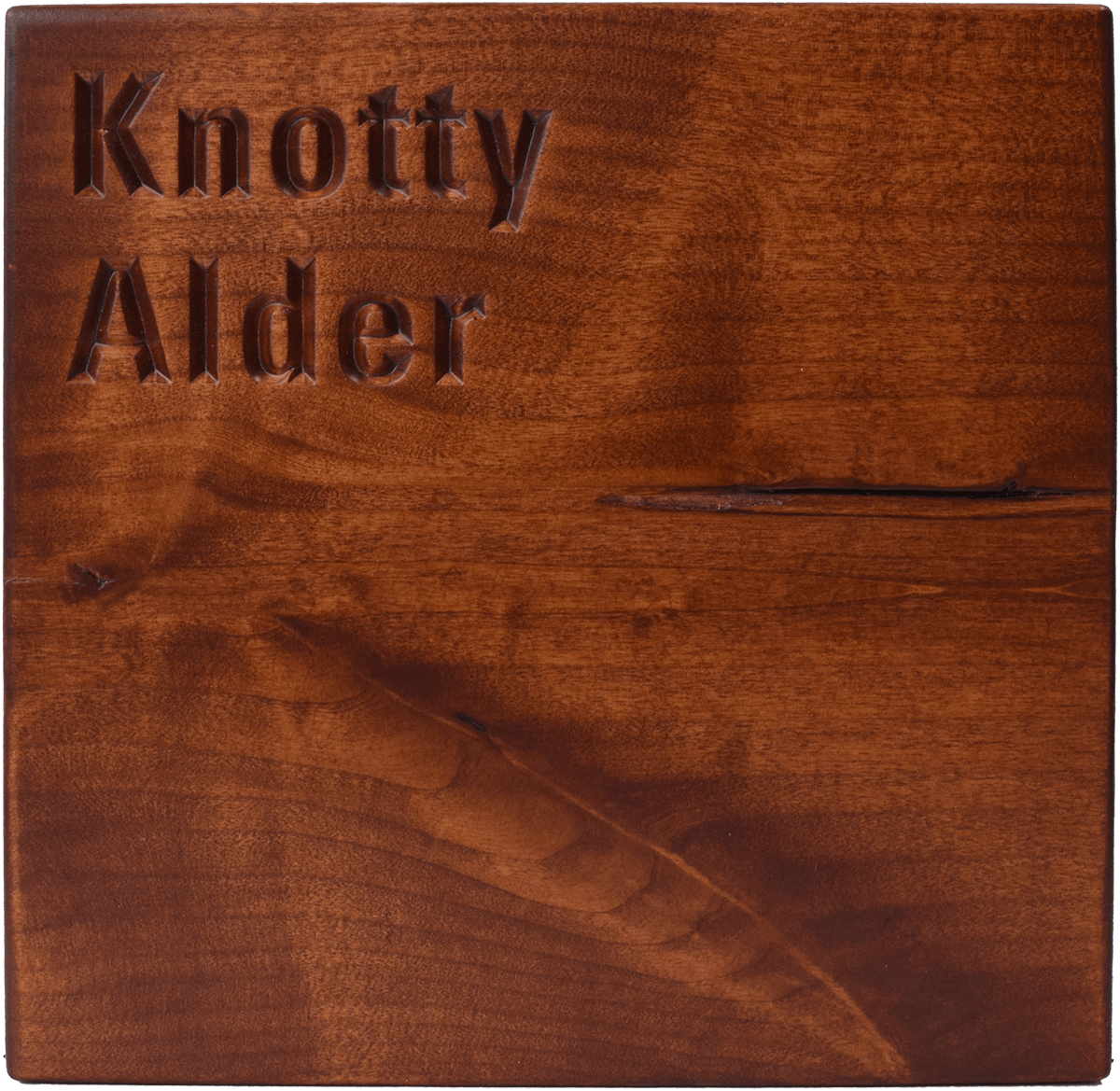
This approach is especially valuable when darker finishes are required.
We’re going to let you in on the secret behind high-end cabinet finishes. Walk through a premium cabinet or furniture operation and you’ll find that stain alone is rarely responsible for the final color.
Many manufacturers rely on dyes, toners, glazes, and tinted topcoats to build color gradually and consistently.
Rather than forcing all color into the wood itself, these finishing systems allow manufacturers to fine-tune appearance throughout the finishing process.
The result is a richer, more controlled finish with significantly less variation.
It’s one of the reasons Alder continues to perform so well in higher-end cabinetry and furniture applications.
Beyond its finishing versatility, Alder offers several production advantages:
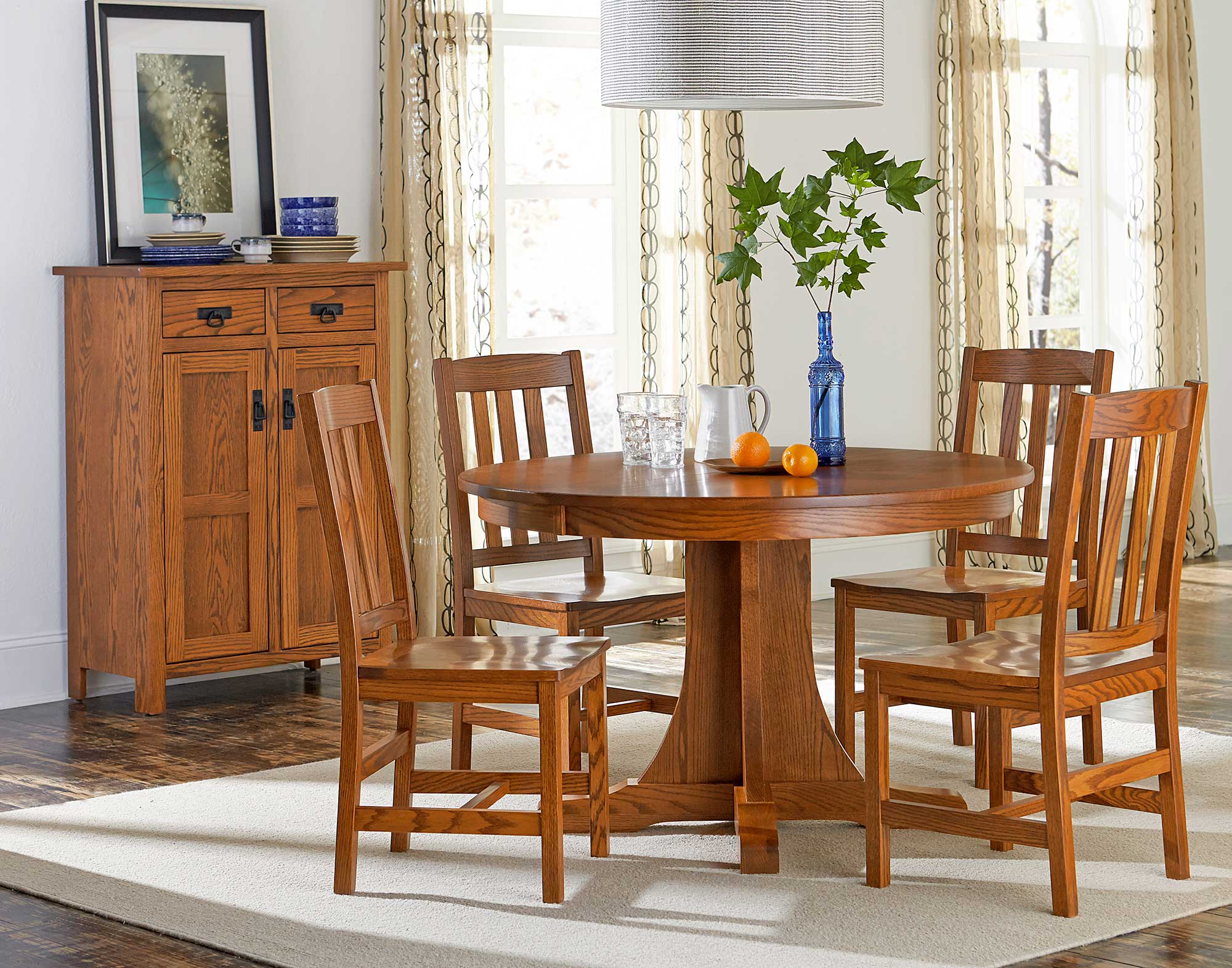
These qualities have helped make Alder one of the most widely used hardwoods in cabinetry, furniture, millwork, and moulding applications.
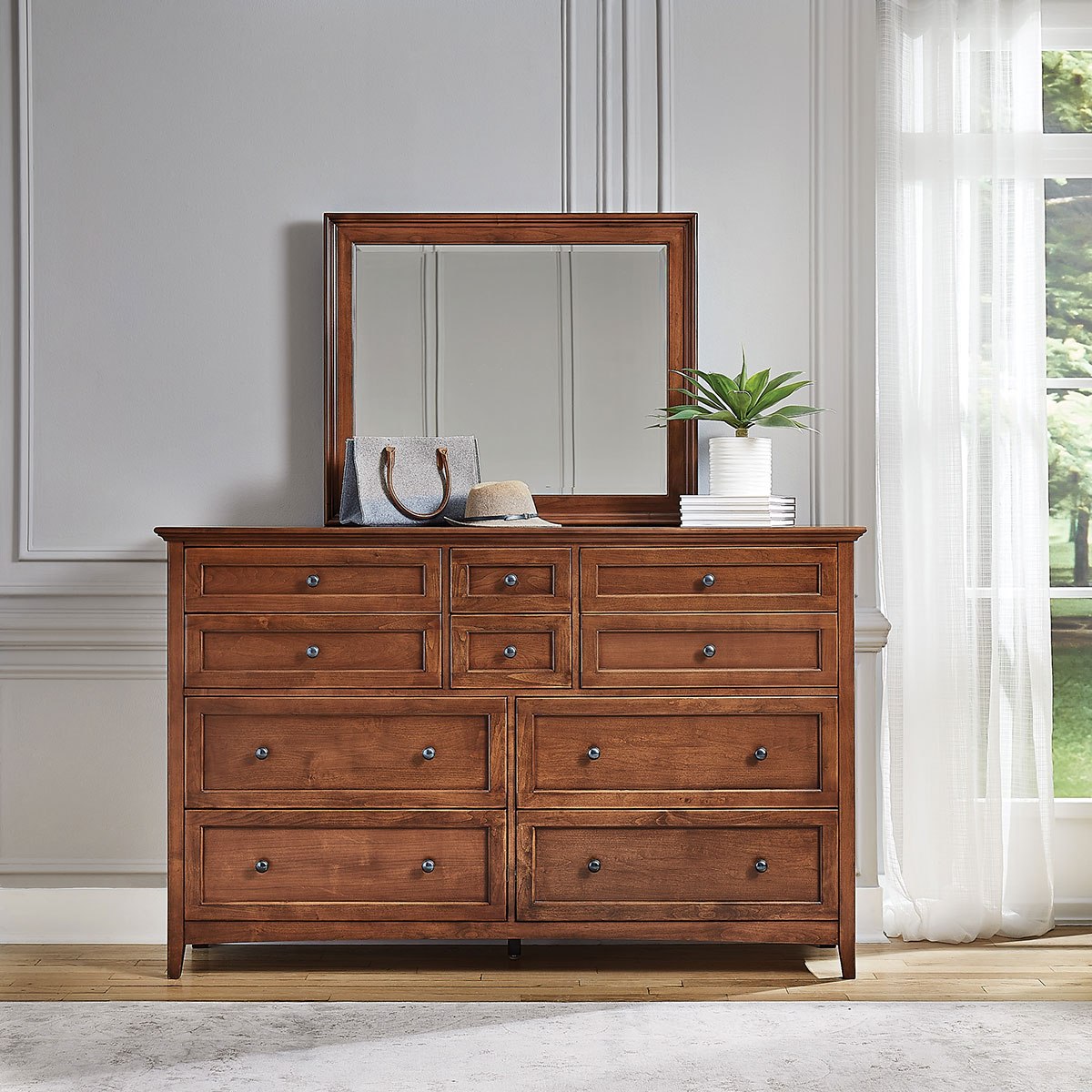
Finishing alder properly will avoid blotching. Like any premium hardwood, it performs best when handled with consistency and care. Proper sanding, controlled absorption, and modern finishing techniques allow manufacturers to achieve highly repeatable results while taking full advantage of Alder’s warm appearance and excellent workability.
In other words, Alder isn’t difficult to finish. It simply rewards shops that approach finishing with the same level of discipline they bring to every other part of the manufacturing process.


Share This Post!
Sign up now to get insights and updates on hardwoods and NWH, delivered straight to your inbox.