Red Oak Compared to White Oak
Both species have earned their place in furniture, cabinetry, flooring, millwork and architectural applications. Both offer strength, natural beauty and proven performance. And both give designers and manufacturers tremendous flexibility.
But while they share the Oak name, they aren’t interchangeable.
Differences in color, grain, hardness, moisture resistance and finishing characteristics can influence everything from a product’s appearance to its long-term performance. Understanding what sets them apart is the first step toward choosing the right Oak for the job.


It Starts With Appearance
For many projects, the choice between Red Oak and White Oak begins with the look you’re trying to achieve.
White Oak: Natural, Subtle and Versatile
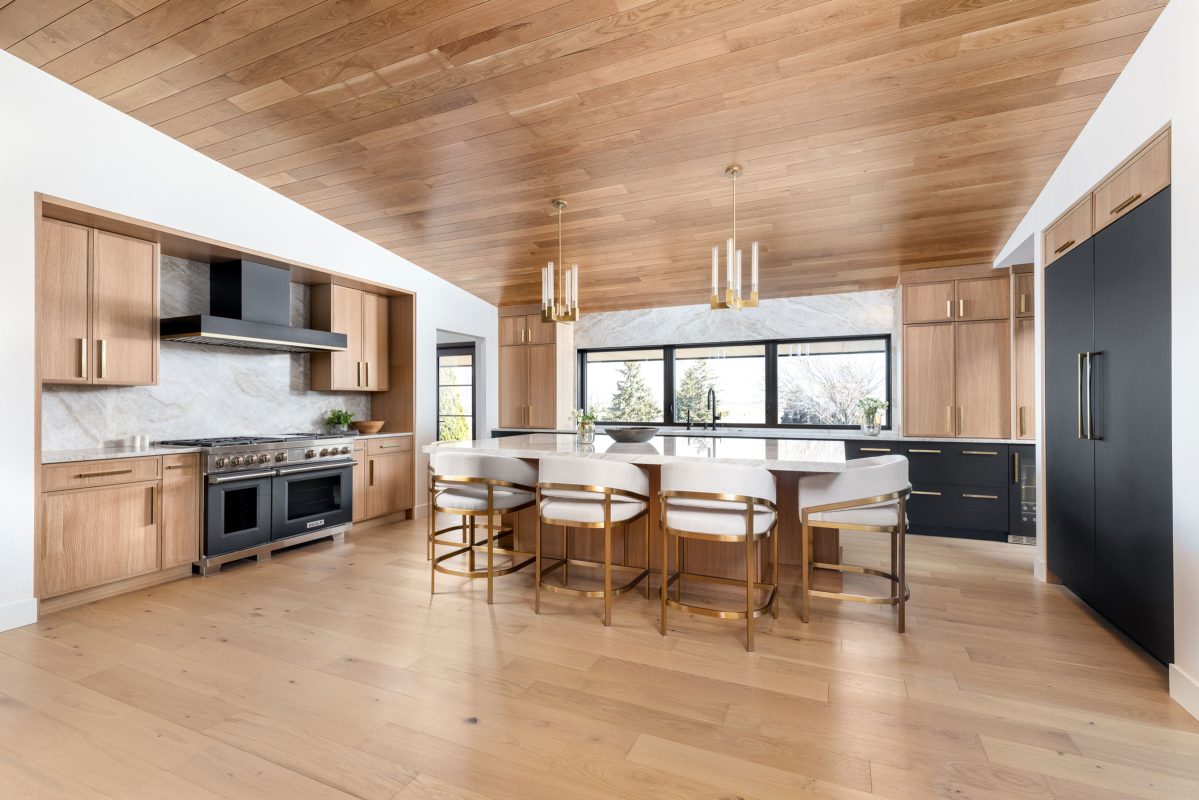
White Oak offers a palette ranging from light-colored sapwood to medium brown heartwood, often with neutral, earthy undertones. Its strong grain texture and distinctive ray flecking give it visual character without overwhelming the design.
That combination has made White Oak a popular choice for everything from traditional furniture and architectural millwork to contemporary cabinetry and modern interiors. It can feel classic, clean, rustic or refined, depending on the cut and finish.

Red Oak: Warm, Expressive and Full of Character
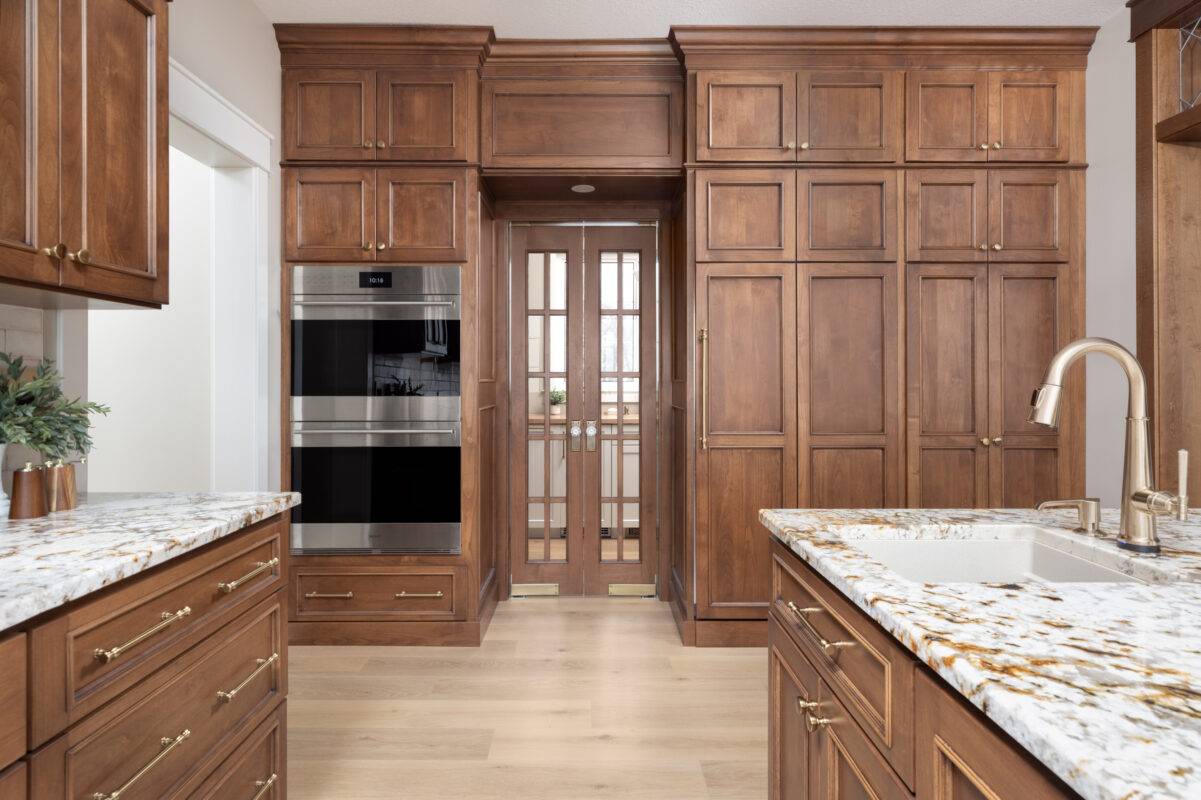
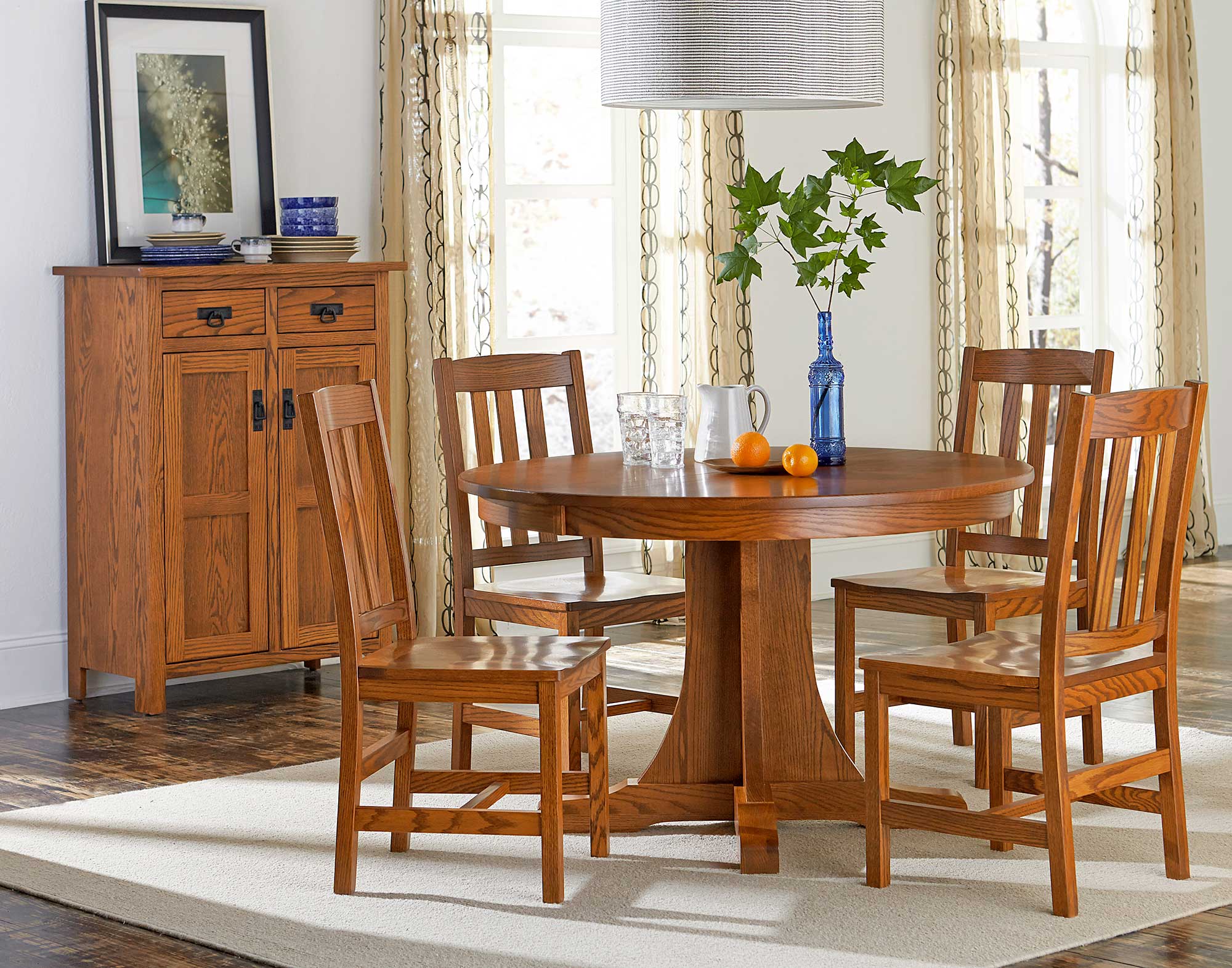
Red Oak brings a different personality. Its color ranges from light creamy pink to warm reddish-brown, creating a naturally inviting appearance.
Its more pronounced, high-contrast grain gives surfaces movement and visual interest. And because Red Oak accepts stain exceptionally well, its appearance can be adapted to complement a broad range of design styles, from traditional to contemporary.
Neither species has a monopoly on good looks. The better choice depends on the character, color and finish the project calls for.
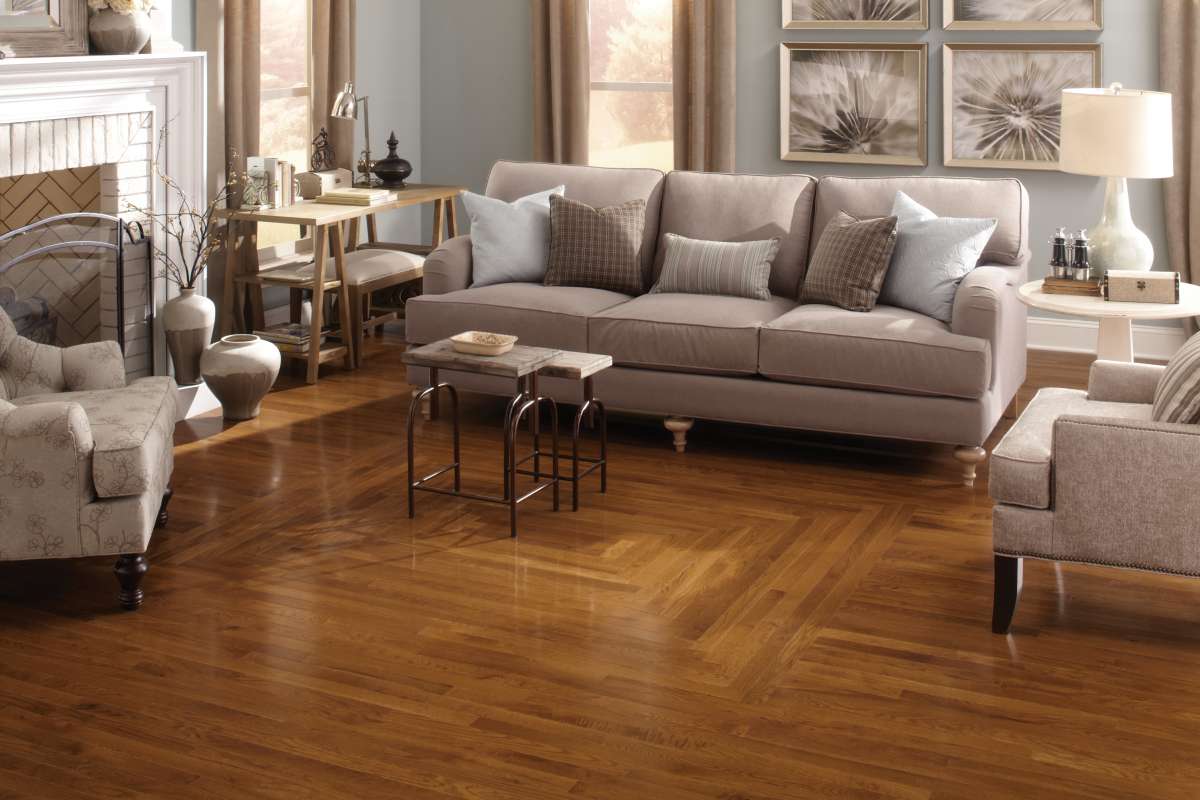
Performance Beyond the Surface


Machining and Workability
Both Red Oak and White Oak machine well and have long been trusted in commercial woodworking operations.
Red Oak generally earns slightly higher marks for machinability, making it an attractive option for projects involving detailed shaping, cutting and fabrication.
White Oak is denser and harder, offering added resistance to wear and everyday use. That extra hardness can be an advantage in demanding applications, although it may also require greater consideration during machining.
Staining and Finishing
Both species accept a wide variety of finishes, giving manufacturers and designers considerable creative freedom.
Red Oak is particularly valued for its excellent staining qualities. Its open, pronounced grain can take on a broad range of colors while retaining the natural character of the wood.
White Oak also finishes beautifully, with its natural tones and distinctive grain providing a strong foundation for clear, light or darker finishes.
Durability and Moisture Resistance
Here’s one of the more significant differences between the two species.
White Oak has natural moisture and decay resistance that makes it suitable for a wider range of applications, including certain exterior uses when properly finished and maintained.
Red Oak, while strong and wear-resistant, is generally best suited to interior applications. Its hardness and durability make it a dependable choice for flooring, furniture, cabinetry and other products subjected to regular use.
Mechanical Properties Comparison
| Lumber (12 % moisture content) | Weight per bdft | Specific Gravity (Density) | Hardness (Janka) | Bending Strength (MOR) | Bending Stiffness (million psi) (MOE) | Dimensional Movement (Shrinkage) R (%) | Dimensional Movement (Shrinkage) T (%) | T/R Ratio (Lower Ratio = Greater Stability) |
|---|---|---|---|---|---|---|---|---|
| Red Oak (Northern) | 3.64 | .63 | 1,220 | 14,380 | 1.761 | 4.0 | 8.6 | 2.2 |
| White Oak (Eastern) | 3.94 | .68 | 1,350 | 14,380 | 1.762 | 4.4 | 8.8 | 2.0 |
Working Properties Comparison
Where Does Each Oak Work Best?
One of the reasons Red Oak and White Oak remain so popular is their versatility. Both are proven performers in furniture, cabinetry, flooring and millwork, offering the strength, beauty and workability these applications demand.
But White Oak has an advantage in applications where moisture resistance is essential. Its natural resistance to moisture and decay makes it suitable for marine applications, while its closed cellular structure also makes it the preferred choice for whiskey barrels.
| Applications | White Oak | Red Oak |
|---|---|---|
|
Furniture |
|
|
|
Cabinetry |
|
|
|
Flooring |
|
|
|
Millwork |
|
|
|
Marine Uses |
|
|
|
Whiskey Barrels |
|
|
For most interior applications, either species can be an excellent choice. The decision often comes down to the desired appearance, finishing requirements and performance expectations. For specialized applications involving moisture exposure or liquid containment, White Oak offers distinct advantages.

Availability, Sustainability and Responsible Sourcing
With Red Oak and White Oak representing such a significant share of America’s hardwood timber resource, both play an important role in domestic hardwood manufacturing and supply.
Their widespread availability makes them practical choices for a broad range of projects, although supply, grade, dimensions and pricing can vary by species and market conditions.
Both species are also available through responsible sourcing programs, including PEFC certified, FSC Mix Credit, FSC Controlled Wood and PEFC Controlled Sources options.
For architects, designers and manufacturers increasingly focused on material sourcing and long-term value, these options provide additional flexibility when specifying American hardwoods.
Price Trends

Two Great Hardwoods. The Right Choice Is Yours.
Red Oak and White Oak have more in common than their names. Both offer the natural beauty, strength, workability and versatility that have made American hardwoods a preferred material for generations.
The difference is in the details.
White Oak brings distinctive grain, greater hardness and natural moisture resistance. Red Oak delivers warmth, pronounced grain character, excellent staining qualities and dependable interior performance.
Neither is universally better. Each brings something valuable to the table.
And knowing those differences helps you make the most of both.

Explore More. Choose Hardwood.
Discover how Red Oak, White Oak, and other North American hardwood species compare across appearance, performance, and applications with NWH’s Material Comparisons resource.
Share This Post!